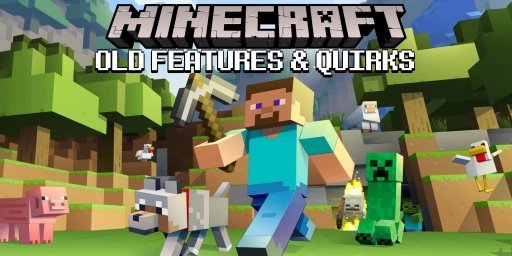
Minecraft has been around for many years now. No surprise that a lot has changed in that time. If you’ve been there from the start, you’ll certainly remember some great (and not so great) aspects of older versions. They reveal unfinished features, brilliant ideas, and sometimes things that are still just like they were more than 15 years ago. A look back shows how far the game has come. And for some new players, these may be surprising and show a Minecraft that was, in parts, quite different from today. We’re taking a look at 10 of these features only long-time players still know.
1. Endless oceans in the old Minecraft world generation
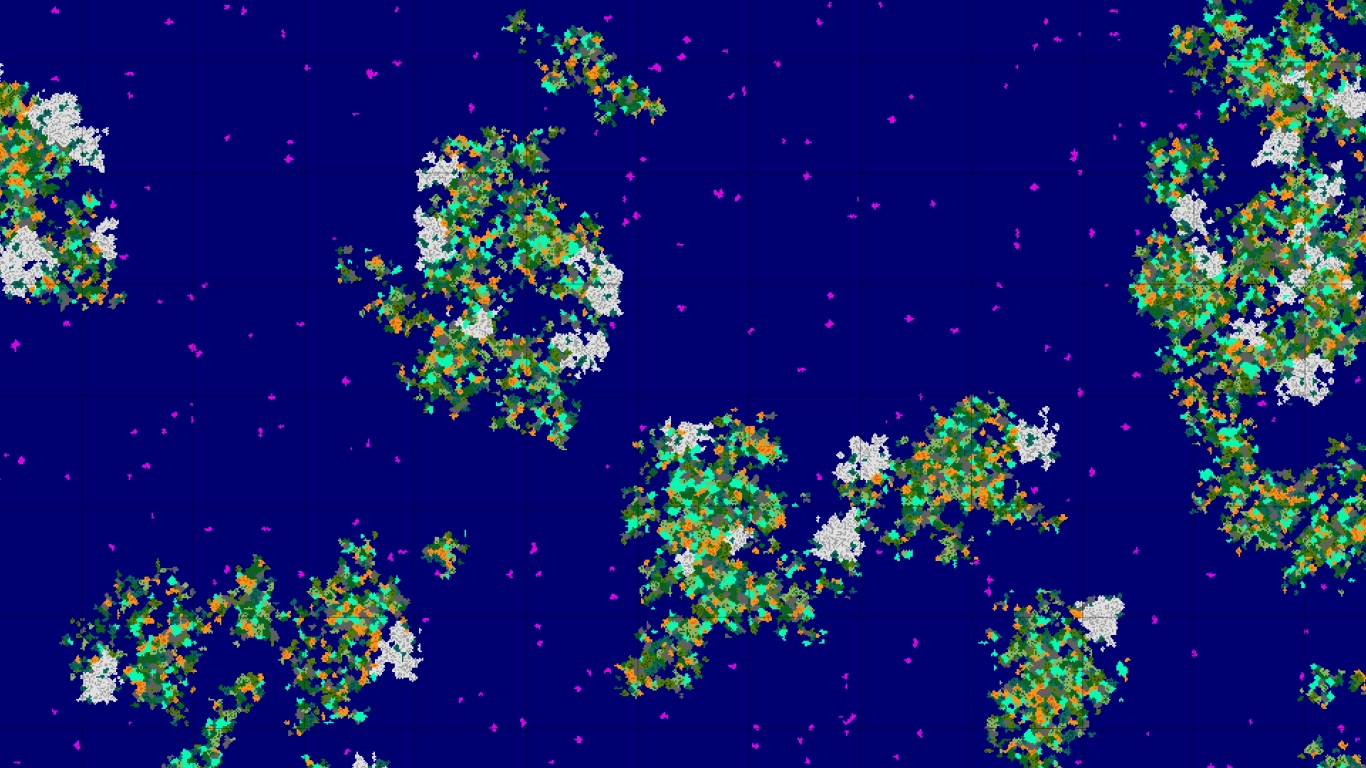
Up to the release of 1.7, Minecraft’s world generation worked very differently. You’d get large landmasses, but in between there was nothing but vast ocean with the odd mushroom island. If you didn’t spawn near the biome you needed, you sometimes had to sail thousands of blocks across the water — with the old boat mechanics.
The idea wasn’t bad in itself, the execution was just a bit too ambitious. Hardly anyone will wander more than 5,000 blocks from spawn. The oceans were often just in the way, but they also gave the world a very distinctive character.
2. Farmland in Minecraft: Once easy to ruin
Farmland has been part of the game since the earliest versions, with more and more crops added over time. Back then, handling it was much trickier. One wrong step and your tilled soil — and your harvest — were gone. That was especially annoying when animals wandered over it.
Today, huge fields are no problem — you can’t trample them anymore. Only jumping will turn farmland back into dirt. Nothing stands in the way of a server with a massive field. Rent an affordable Minecraft server now and play together. Still, it’s a good idea to fence your fields and keep them safe.
3. Void Fog: Dark haze in deep caves
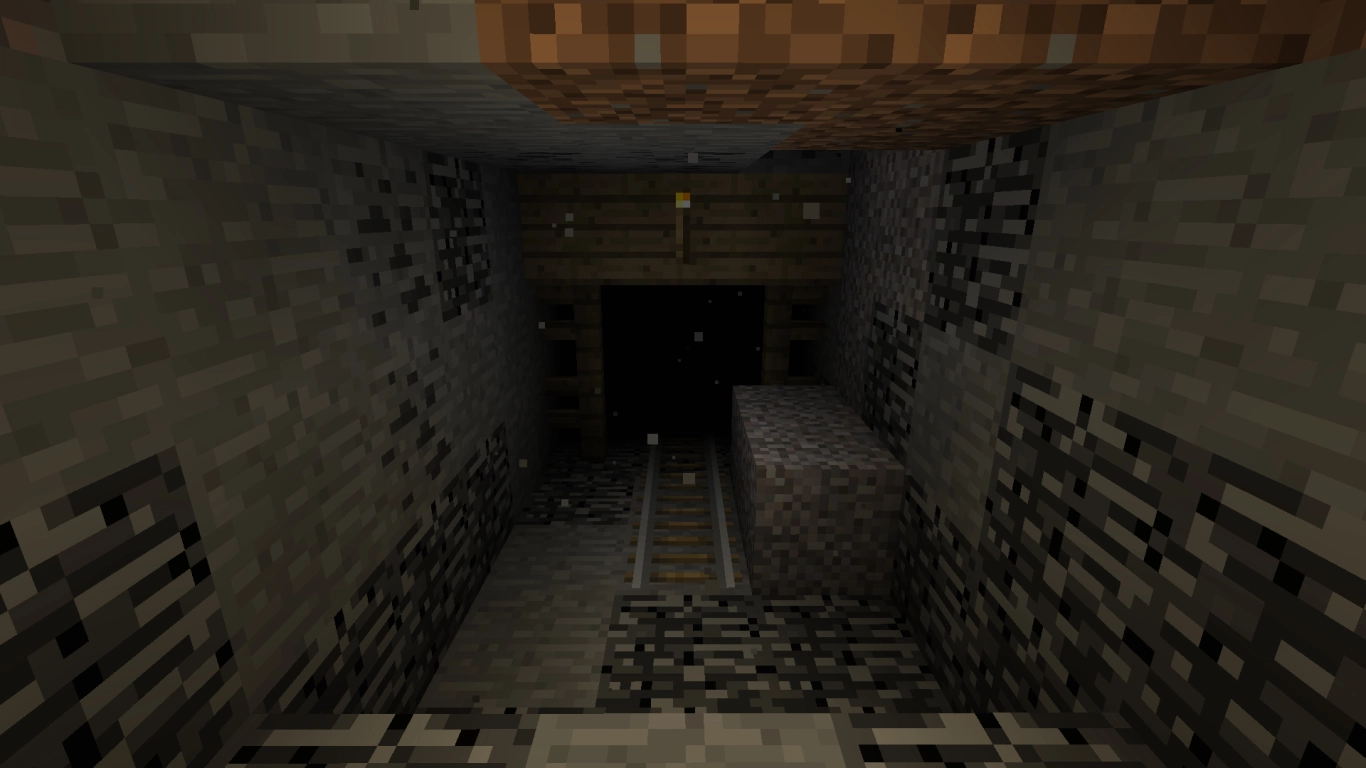
From Beta 1.8 through 1.7 there was the so‑called Void Fog, a dark haze that appeared deep underground. The closer you were to bedrock, the less you could see. It gave caves a creepy atmosphere, and we think this feature could make a comeback. It would need to be adapted to the new caves, but it would enrich exploration.
4. No stacking: Items and food in early versions
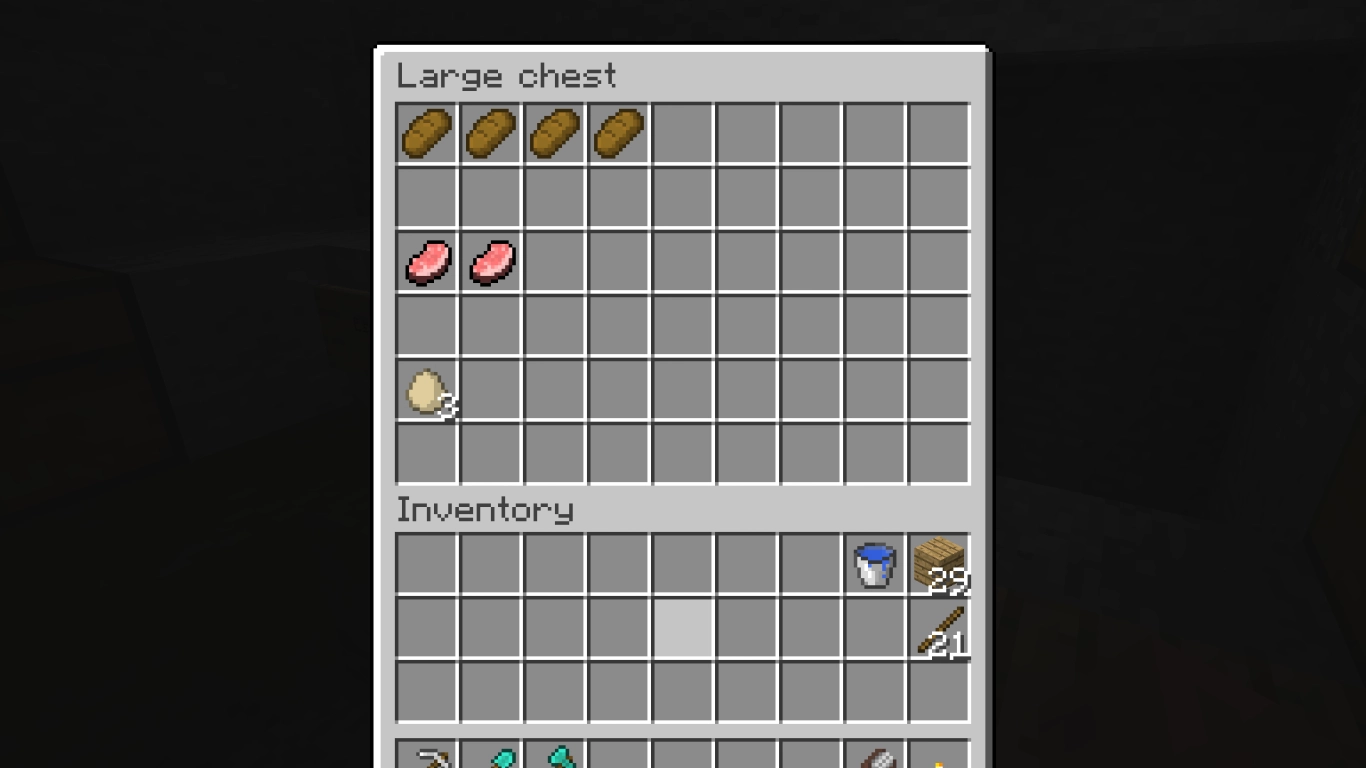
In early versions there were plenty of items you couldn’t stack. Food is probably the most famous example, because before the hunger system, every steak and every loaf of bread took its own slot. That was for balancing — otherwise you could have healed endlessly.
Many other tools and items remained unstackable well into the release era. This included empty buckets and signs up to version 1.3, and doors, which didn’t stack until 1.8. Changes like these are always welcome and make it much easier to keep your inventory tidy.
5. World height in Minecraft: From 128 to 384 blocks
World height has changed a lot over development. Before the full release, a world was only 128 blocks tall, which didn’t allow for much verticality and made mountains look rather small. With the full release this limit was doubled to 256 blocks. Many years later, with Caves & Cliffs, it got another upgrade: the world was extended 64 blocks deeper and higher, giving you 384 blocks of vertical space.
6. Gap ladders: Saving materials in the Beta
A small but memorable quirk only lasted until Beta 1.5, yet many players still remember it. Back then you only had to place ladders every other block for them to work. That saved quite a few materials. When this was changed, the recipe was adjusted to yield two ladders, offsetting the removal of this feature (or bug?).
7. Dungeons: The oldest structure with a mob spawner
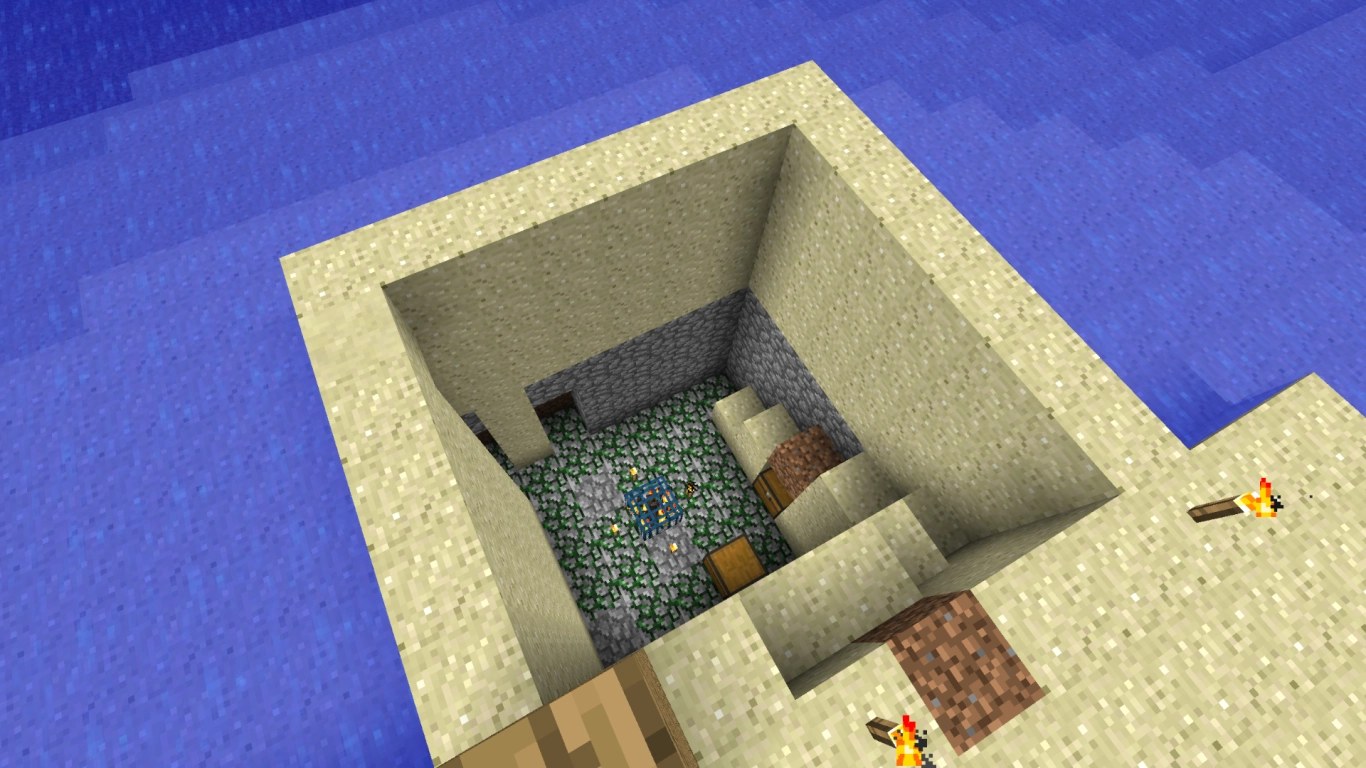
Dungeons with a mob spawner are the oldest structure in the game and, up to Beta 1.8, the only one you could find. They have changed very little in over 15 years and still consist of one or two chests, the spawner, and a mix of cobblestone and mossy cobblestone. Only the chest loot has seen small tweaks over the years. Back then, for example, they were the only place to find cocoa beans and saddles.
Dungeons that open directly to the surface have become quite rare. In Alpha and Beta they were often found and were a classic landscape feature. Otherwise, they still work just as well as they did back then and are perfect for simple mob farms (Building a Minecraft XP Farm: Quickly and Easily Reach Level 30) .
8. No sprinting: A leisurely pace before hunger
Today it feels like a nightmare not being able to sprint. But that was normal up to version 1.0. You could only move at normal speed or travel your world by boat and minecart. Sprinting arrived with the hunger system to balance the two. Unthinkable today, but it allowed the game to be played much more slowly and calmly.
9. Monster spawns in light: Changes since 1.18
A relatively recent change made monsters less likely to spawn if you light up your base or caves well. Up to version 1.18, monsters could spawn at a light level of 7 or lower. With the new caves this was adjusted so a block must now be at light level 0 for monsters to spawn. That means far fewer nasty surprises.
10. Bows back then: Rapid fire instead of drawing
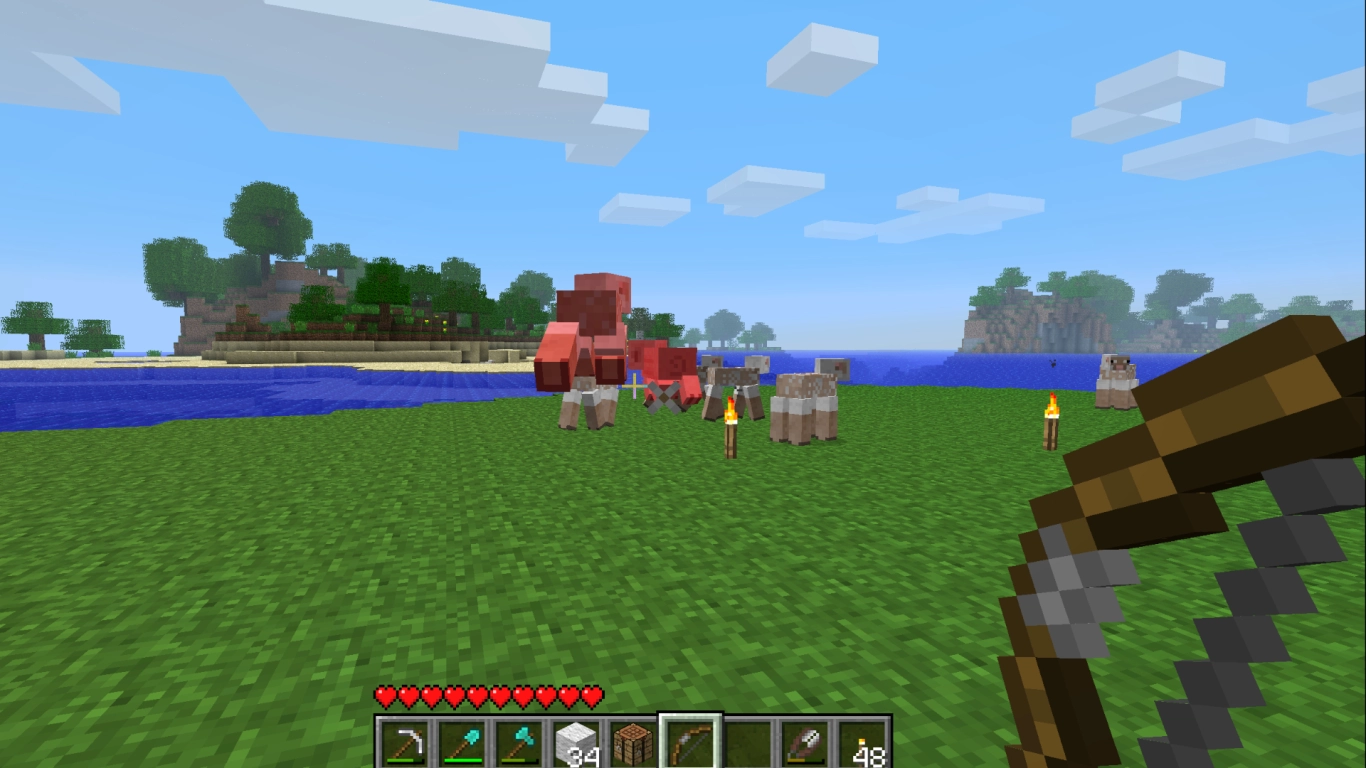
Finally, a reminder of how bows used to work. Up to the full release they were arguably the best weapon, because you didn’t have to draw them — you could just fire away. It did burn through arrows, but you could deal continuous damage.
It’s a nostalgic memory, but improving the bow was definitely a good change. It’s now much more realistic and can deal far more precise damage. Enchantments and tipped arrows have also diversified and improved the bow.
Conclusion: Do you remember these old Minecraft features?
Over the many years Minecraft has been in development, a lot has changed. While well-known features like dungeons or farming crops have stayed relatively similar, other mechanics were adjusted. Much of that is, of course, an improvement — like the higher world ceiling, stackable food, or sprinting. But things like the massive oceans or Void Fog could make a comeback, because they gave Minecraft a unique identity.