Minecraft offers many mechanics for automatically gathering resources. Some rely on Redstone contraptions, others exploit specific game behaviors to repeatedly generate items or mobs. The community uses these mechanics to build farms that supply you and your fellow players with everything you need. Today, we present seven must-have farms that belong in every world. They save you a lot of time otherwise spent manually collecting items, and most of them come in multiple designs, from simple to complex.
Build a Minecraft Iron Farm: Efficiently Farming Golems
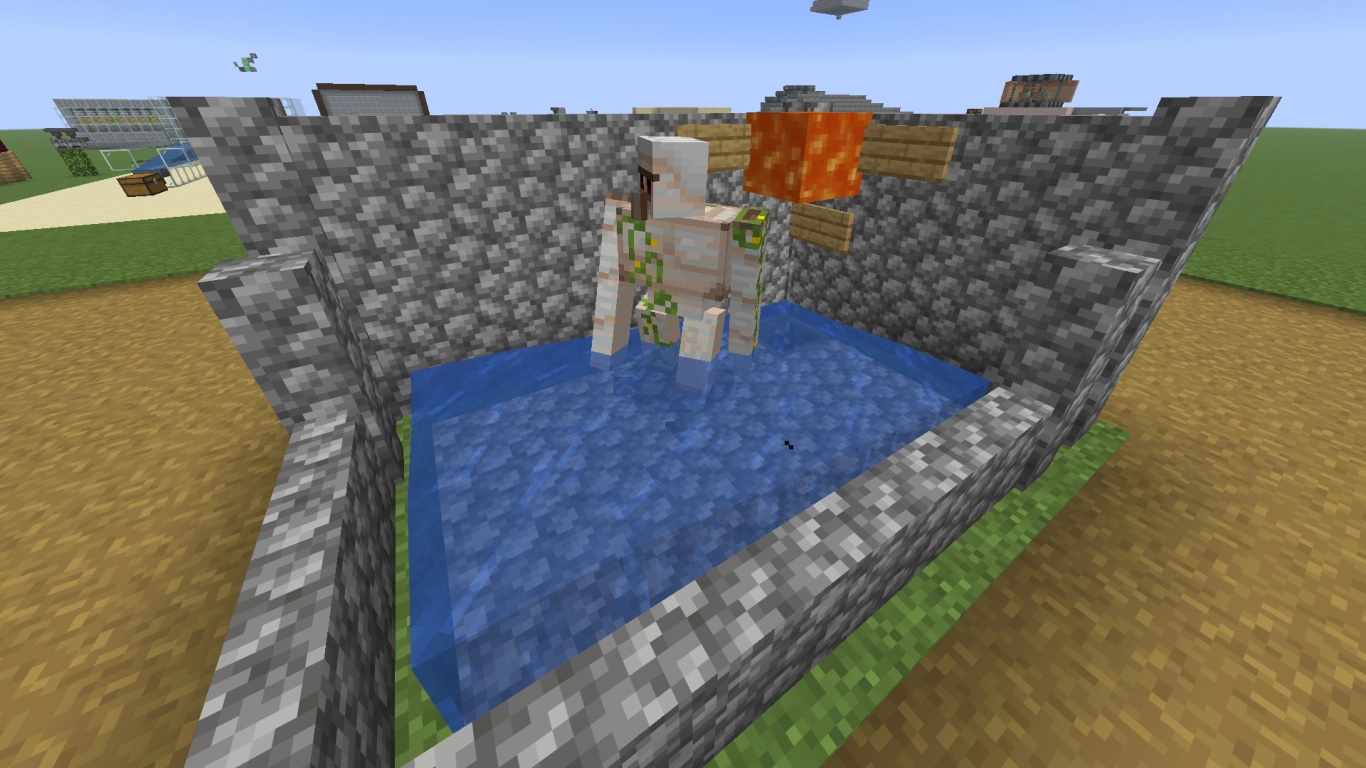
You typically find iron ore in mountains or caves. It’s fairly common, but sometimes you simply don’t have the time to mine it, or you’ve already explored most nearby caves. That’s why many players build an iron farm that directly produces iron ingots.
These farms use iron golems, which are spawned by villagers for protection. We burn the golems so that new ones keep spawning, and they drop iron when they die. At the core, you need a self-contained village. Often, around five villagers and beds are positioned so that a golem spawns. It is then guided into lava, and the drops are collected by a hopper. The exact design is up to you.
Minecraft XP Farm: Infinite Experience and Mob Drops
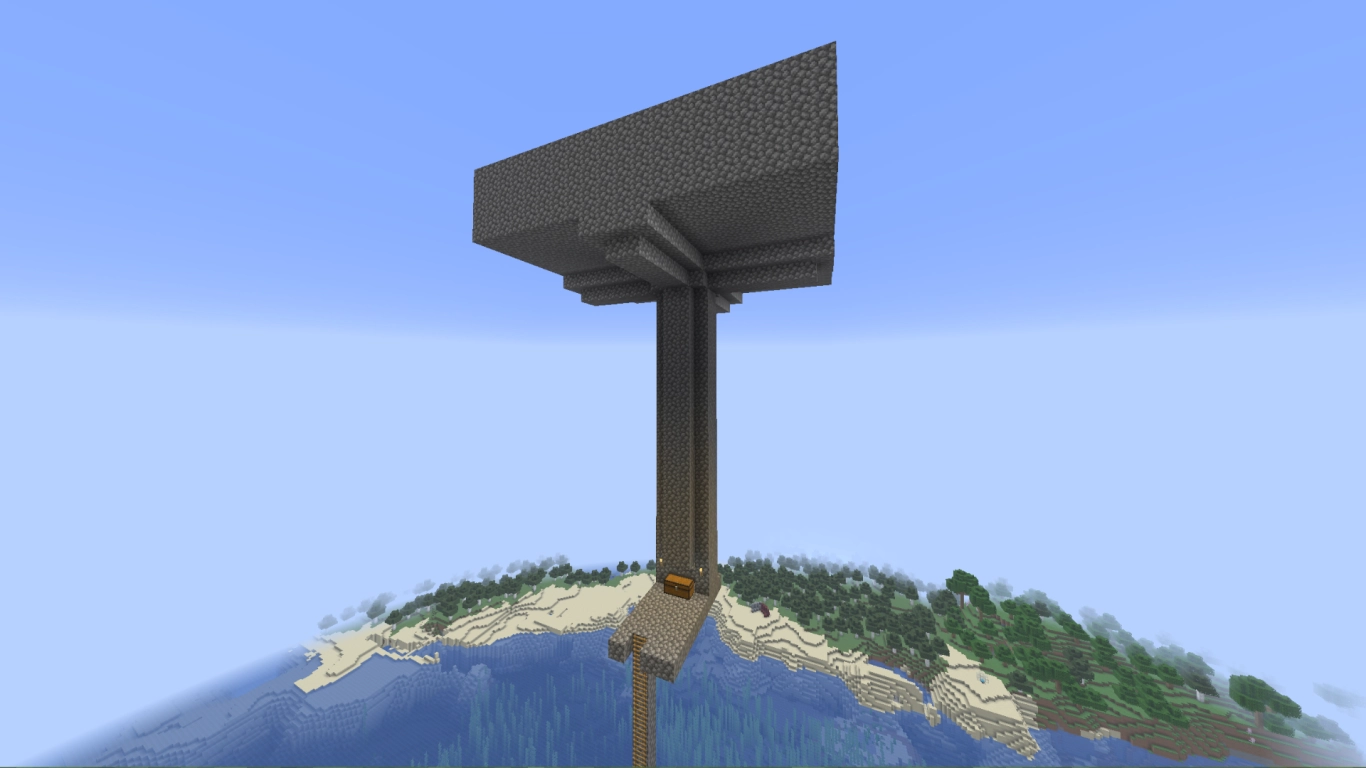
Some form of XP farm is practically essential, especially in multiplayer. You can rent your own Minecraft server from us and build a farm for plenty of experience points. Everyone on the map will appreciate it, since XP is vital for enchanting.
Again, there are many designs, from simple mob traps to peaceful XP farms. You don’t only get experience from hostile mobs, though they’re very reliable. A great side effect: you also gather drops like bones, gunpowder, and string. You can also use spawners in dungeons for quick XP if you don’t want to build a large farm.
Sugar Cane Farm in Minecraft: Paper, Books, and Rockets
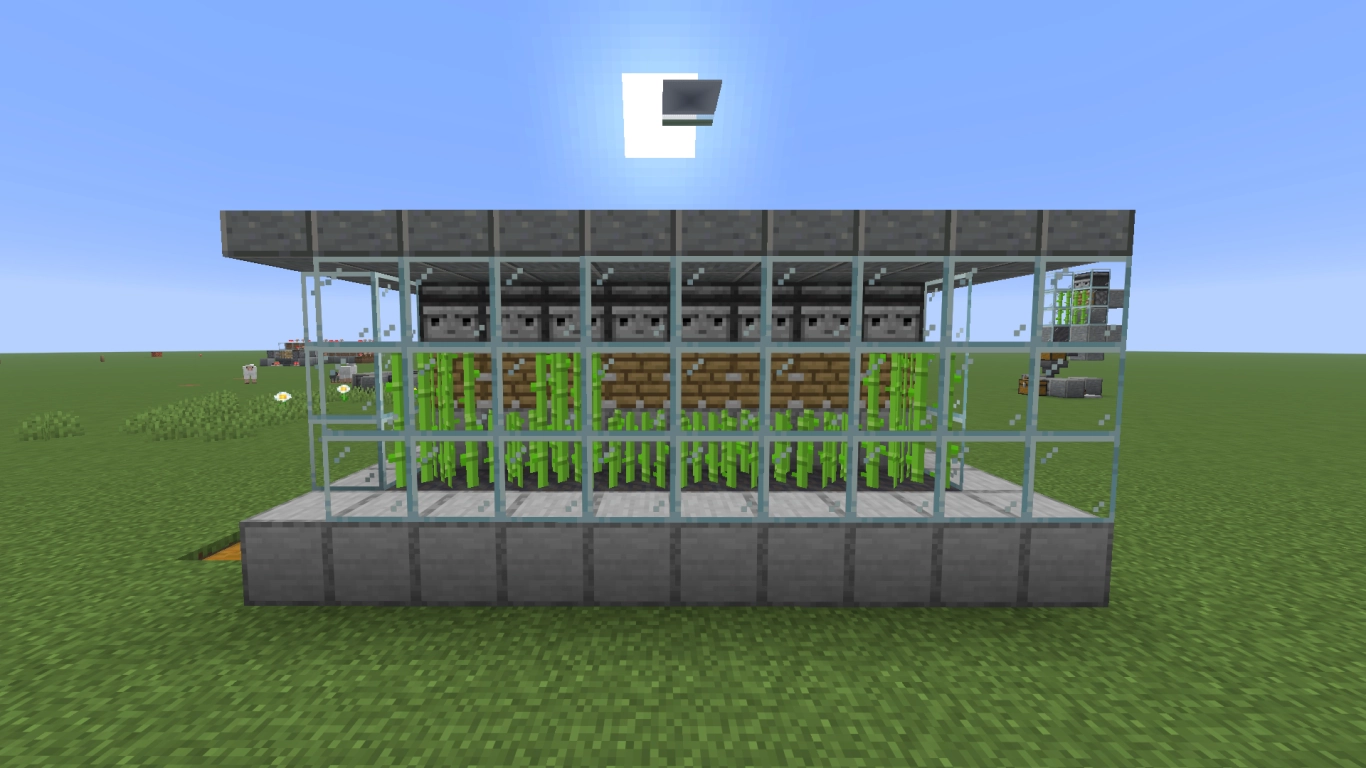
Sugar cane is a very valuable resource, even if it doesn’t look like it at first glance. It can be crafted into sugar, but more importantly into paper. Paper is needed for many recipes, including books, firework rockets, maps, and banner patterns. You can never really have enough sugar cane.
An automatic sugar cane farm is easy to build, since it grows on its own. Use an Observer connected to a Piston to automatically harvest the top two segments when they grow tall enough. The cut cane can be washed away by water and collected by a hopper. The same principle also works with bamboo.
Automatic Crop Farm in Minecraft for a Vegan Diet
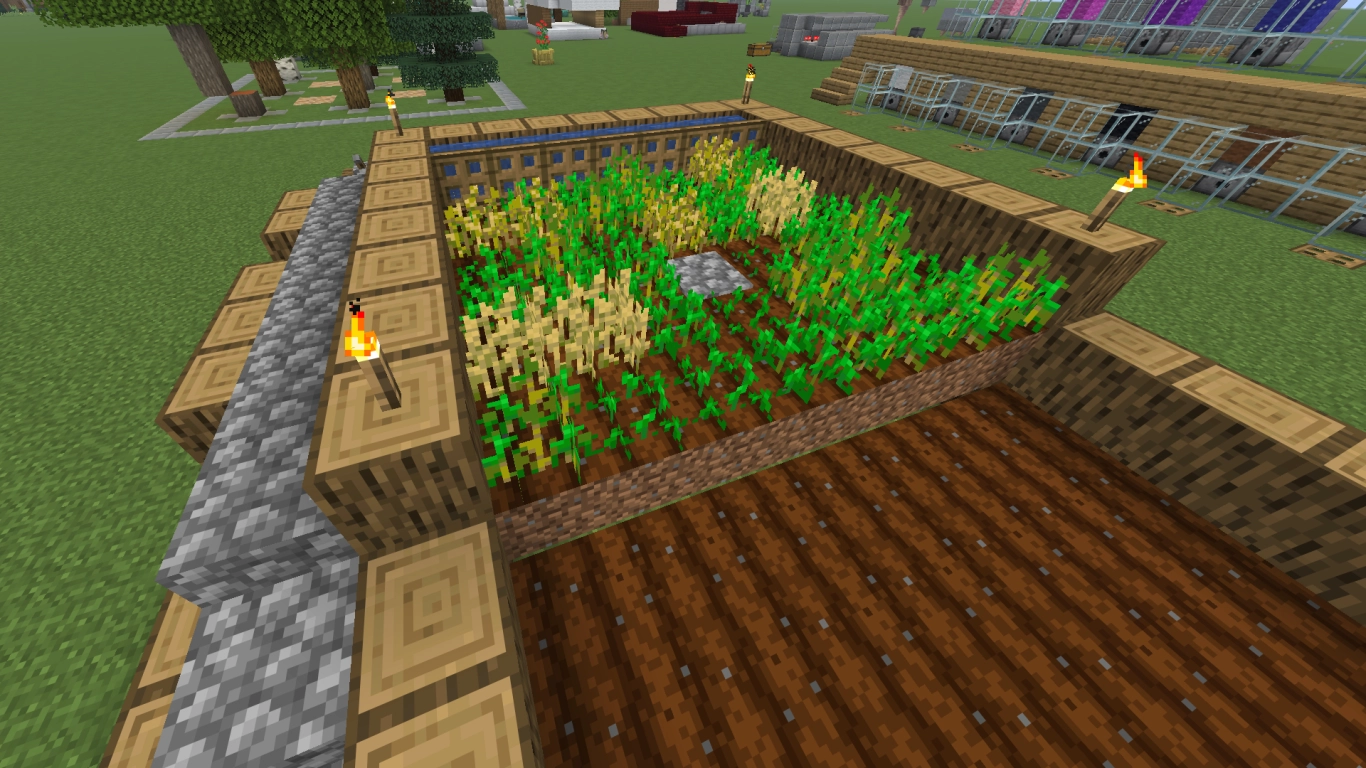
Many other plants can be harvested automatically, including wheat, carrots, potatoes, and beetroots. They form a great base for your food supply, especially if you prefer a vegan diet. They generally follow the same principles, and there are two main methods to build a farm.
You can create terraced fields and flush water from above to harvest. Afterwards, you’ll need to replant the seeds manually, which can be time-consuming. Alternatively, you can use villagers. They throw food to each other to breed, which you can leverage to make a fully automatic farm. This approach takes more effort to set up.
Cow Farm in Minecraft: Efficiently Collect Meat and Leather
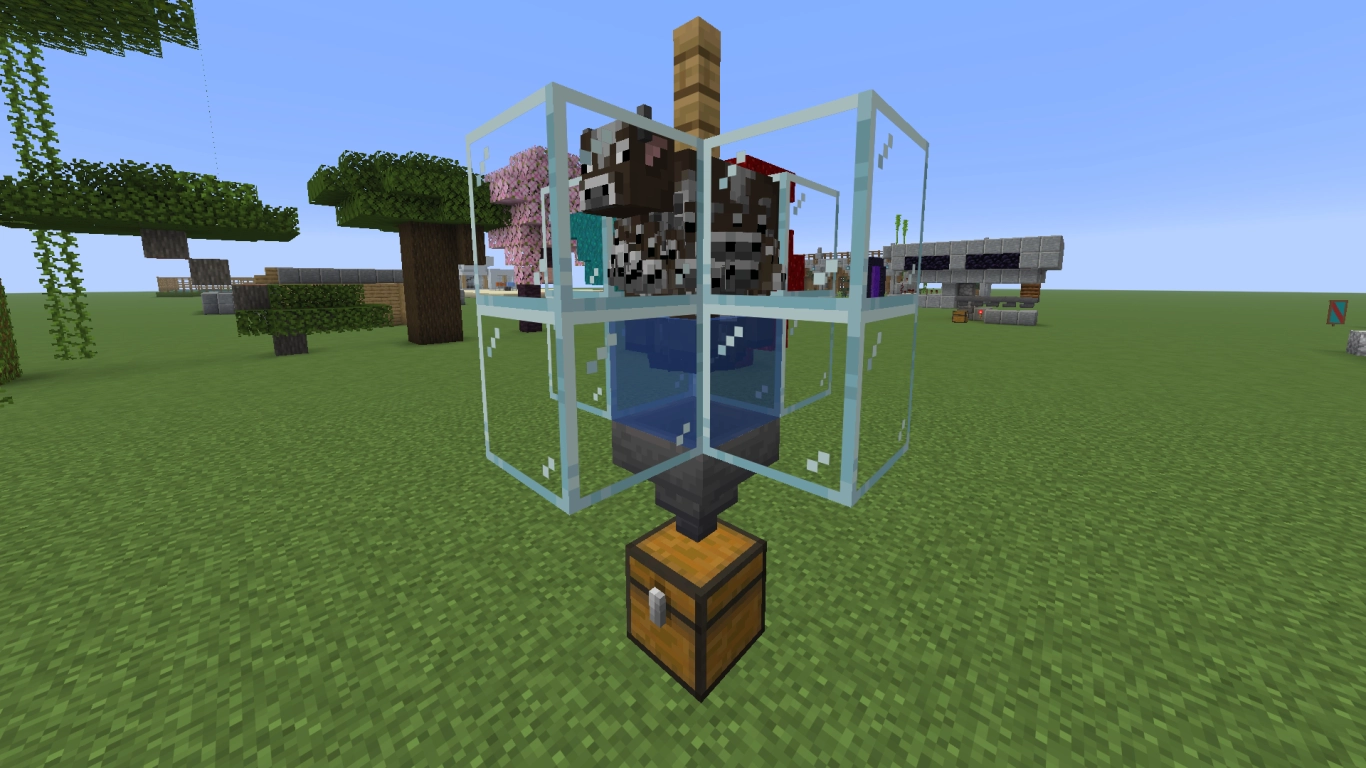
If you prefer meat, a cow farm is an excellent solution. Cows provide not only meat but also leather. You’ll need leather to craft books, make leather armor, and build item frames. Without a good cow farm, it’s hard to gather enough leather. You can farm chickens and pigs too, but for materials, cows are often the better choice.
For this farm, pack many cows into a single block and breed them with wheat on a regular basis. Minecraft has a cap on how many entities can occupy one block, causing extras to die. Alternatively, you can breed cows separately and then kill them with lava or a campfire, which cooks the meat automatically.
Villager Breeder in Minecraft: Foundation for a Trading Hall
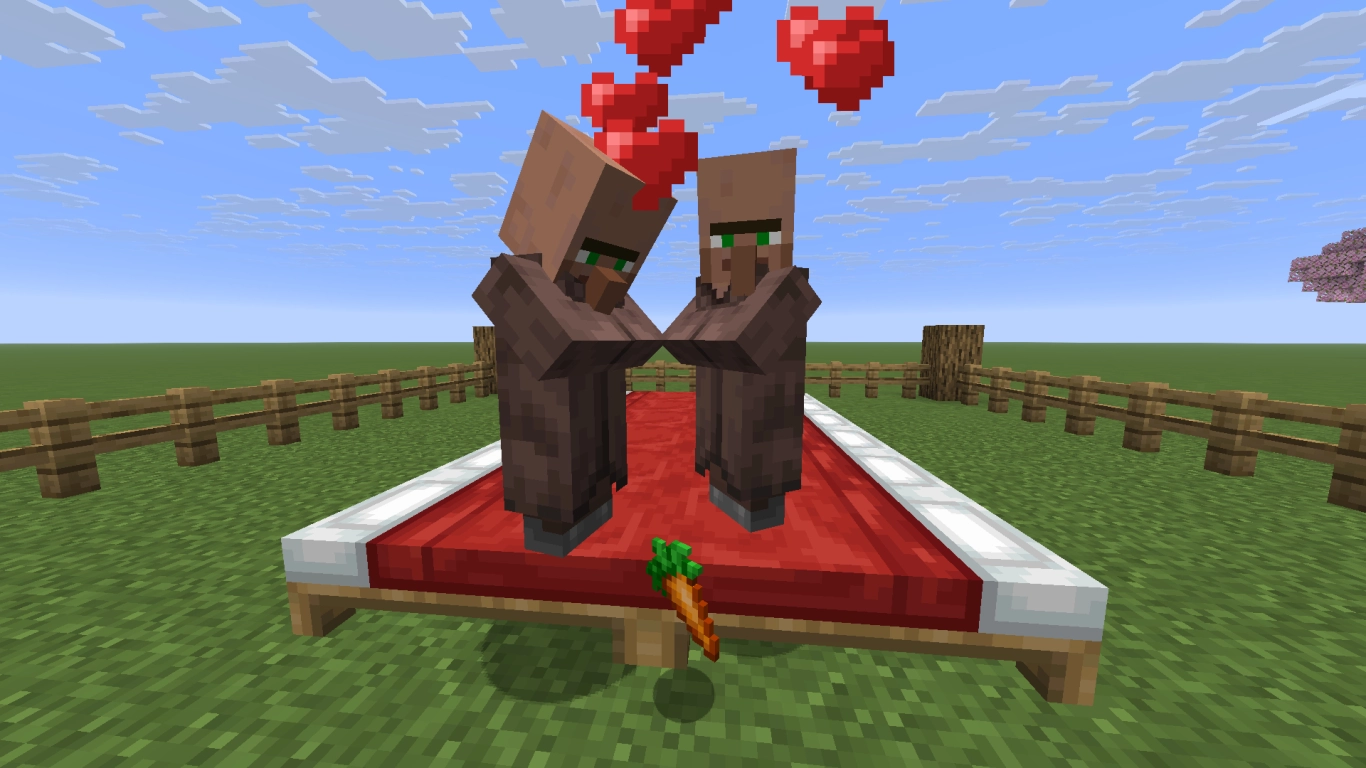
Villagers are a key part of Minecraft because you can trade with them to acquire rare items with little effort. A trading hall can be considered a farm in its own right, but let’s look at how to produce enough villagers. For that, you need a villager breeder.
This uses a similar principle to the villager-based crop farm. Villagers collect food, share it, and thus breed on their own. The baby villagers are gathered and transported away, and once they grow up, they can take on a profession. You create your own village ecosystem and can then decide which trades your villagers will offer.
Automatic Wool Farm in Minecraft: Secure All 16 Colors
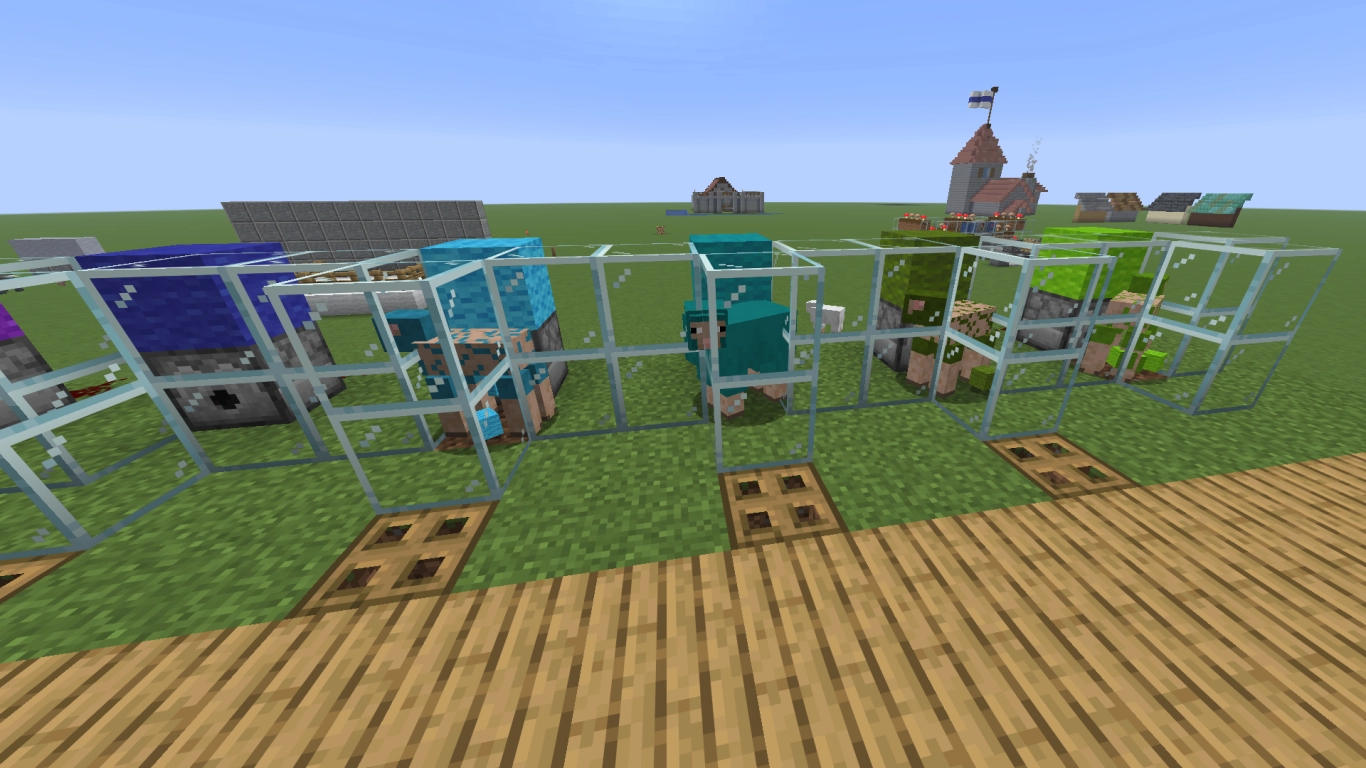
Lastly, let’s look at an automatic wool farm. Wool isn’t a must-have resource for everyone, but colored wool is fantastic for building. You can also use wool to craft carpets, banners, beds, and paintings. Future updates may add even more decor options, making this type of farm even more appealing.
Such a farm is simple and compact. We leverage the grazing behavior of sheep, which causes their wool to regrow, for automatic shearing. When a sheep eats, a grass block briefly turns to dirt, which an Observer can detect. It then sends a signal to a dispenser with shears, which shears the sheep. Ideally, run 16 modules for all colors.
Conclusion: The Best Farms for Minecraft Survival
Automatic or semi-automatic farms are a crucial part of Minecraft if you want to gather resources efficiently. They’re practically indispensable on a server with many active players, but they’re also a big help in singleplayer so you don’t have to farm everything by hand. Of course, farms aren’t mandatory, but you should definitely consider building some of them in your world.