
50% off in the 1st month
✔️2GB RAM (2–4 players)
✔️Vanilla & small plugins
AUD
9.00
4.49
BRL 32.38
16.16
CAD 8.64
4.31
CHF 4.96
2.47
CNY 42.76
21.34
CZK 132.13
65.94
DKK 40.28
20.10
EUR 5.39
2.69
GBP 4.68
2.34
HUF 2,074.50
1,035.33
INR 581.47
290.19
MXN 111.63
55.71
NOK 60.44
30.16
PLN 23.12
11.54
RON 27.48
13.72
SEK 58.98
29.44
SGD 7.98
3.98
TRY 275.66
137.58
USD 6.20
3.09
/ month
(taxes included)
4.49
BRL 32.38
16.16
CAD 8.64
4.31
CHF 4.96
2.47
CNY 42.76
21.34
CZK 132.13
65.94
DKK 40.28
20.10
EUR 5.39
2.69
GBP 4.68
2.34
HUF 2,074.50
1,035.33
INR 581.47
290.19
MXN 111.63
55.71
NOK 60.44
30.16
PLN 23.12
11.54
RON 27.48
13.72
SEK 58.98
29.44
SGD 7.98
3.98
TRY 275.66
137.58
USD 6.20
3.09
/ month
(taxes included)
Server location:
50% off in the 1st month
✔️4GB RAM for mods & plugins
✔️450+ modpacks
✔️For friends & community
AUD
13.99
6.99
BRL 50.33
25.17
CAD 13.43
6.71
CHF 7.70
3.85
CNY 66.49
33.24
CZK 205.43
102.71
DKK 62.62
31.31
EUR 8.38
4.19
GBP 7.28
3.64
HUF 3,225.29
1,612.65
INR 904.03
452.01
MXN 173.55
86.78
NOK 93.96
46.98
PLN 35.94
17.97
RON 42.73
21.37
SEK 91.70
45.85
SGD 12.41
6.21
TRY 428.58
214.29
USD 9.64
4.82
/ month
(taxes included)
6.99
BRL 50.33
25.17
CAD 13.43
6.71
CHF 7.70
3.85
CNY 66.49
33.24
CZK 205.43
102.71
DKK 62.62
31.31
EUR 8.38
4.19
GBP 7.28
3.64
HUF 3,225.29
1,612.65
INR 904.03
452.01
MXN 173.55
86.78
NOK 93.96
46.98
PLN 35.94
17.97
RON 42.73
21.37
SEK 91.70
45.85
SGD 12.41
6.21
TRY 428.58
214.29
USD 9.64
4.82
/ month
(taxes included)
Server location:
50% off in the 1st month
✔️10GB RAM for large modpacks
✔️750+ modpacks
✔️Supports many players
AUD
29.75
14.87
BRL 107.04
53.52
CAD 28.55
14.28
CHF 16.38
8.19
CNY 141.39
70.69
CZK 436.84
218.42
DKK 133.17
66.58
EUR 17.82
8.91
GBP 15.47
7.74
HUF 6,858.56
3,429.28
INR 1,922.40
961.20
MXN 369.05
184.53
NOK 199.81
99.90
PLN 76.43
38.21
RON 90.87
45.43
SEK 195.00
97.50
SGD 26.39
13.20
TRY 911.37
455.69
USD 20.49
10.24
/ month
(taxes included)
14.87
BRL 107.04
53.52
CAD 28.55
14.28
CHF 16.38
8.19
CNY 141.39
70.69
CZK 436.84
218.42
DKK 133.17
66.58
EUR 17.82
8.91
GBP 15.47
7.74
HUF 6,858.56
3,429.28
INR 1,922.40
961.20
MXN 369.05
184.53
NOK 199.81
99.90
PLN 76.43
38.21
RON 90.87
45.43
SEK 195.00
97.50
SGD 26.39
13.20
TRY 911.37
455.69
USD 20.49
10.24
/ month
(taxes included)
Server location:
Individual configuration
Create your own configuration and customize options flexibly
Recommended Upgrade
More Headroom for Mods and Friends
With 4 GB of RAM, your Minecraft server is better equipped for mods, plugins, and collaborative projects.
Currently selected: 2 GB RAM
+
2.50
AUD
+
9.01
BRL
+
2.40
CAD
+
1.38
CHF
+
11.90
CNY
+
36.77
CZK
+
11.21
DKK
+
1.50
EUR
+
1.30
GBP
+
577.32
HUF
+
161.82
INR
+
31.07
MXN
+
16.82
NOK
+
6.43
PLN
+
7.65
RON
+
16.41
SEK
+
2.23
SGD
+
76.71
TRY
+
1.73
USD
Upgrade: 4 GB RAM- 450+ modpacks included
- More headroom for mods and plugins
- Better suited for friends and small communities
Minecraft Costs
How much does a Minecraft server cost?
The cost of a Minecraft server depends primarily on player count, RAM, and setup. A small vanilla world for a few friends needs significantly less performance than a server with many plugins, large farms, or extensive Forge and Fabric modpacks.
As a rough guideline, small vanilla servers often need 2 to 4 GB RAM. For Paper, Spigot, Bukkit, or multiple plugins, 4 to 6 GB is usually sensible. Large modpacks often require 6 to 10 GB RAM or more, depending on scope.
Typical cost drivers for Minecraft servers:
- Number of concurrent players
- Vanilla, plugins, or modpacks
- Chunks, entities, farms, and dimensions
- Desired duration and billing cycle
- Location, ping, and performance headroom
Mods & Modpacks for your Minecraft server
Get started right away with popular modpacks or find the right setup by searching. The RAM recommendation shows you what server performance level makes sense for each modpack.
![Cisco's Fantasy Medieval RPG [Ultimate]](/images/minecraft/modpacks/957753.webp)
![Prominence I [FORGE]](/images/minecraft/modpacks/860195.webp)


Pay securely and flexibly for Minecraft servers



Our 5-Star Reviews on Trustpilot
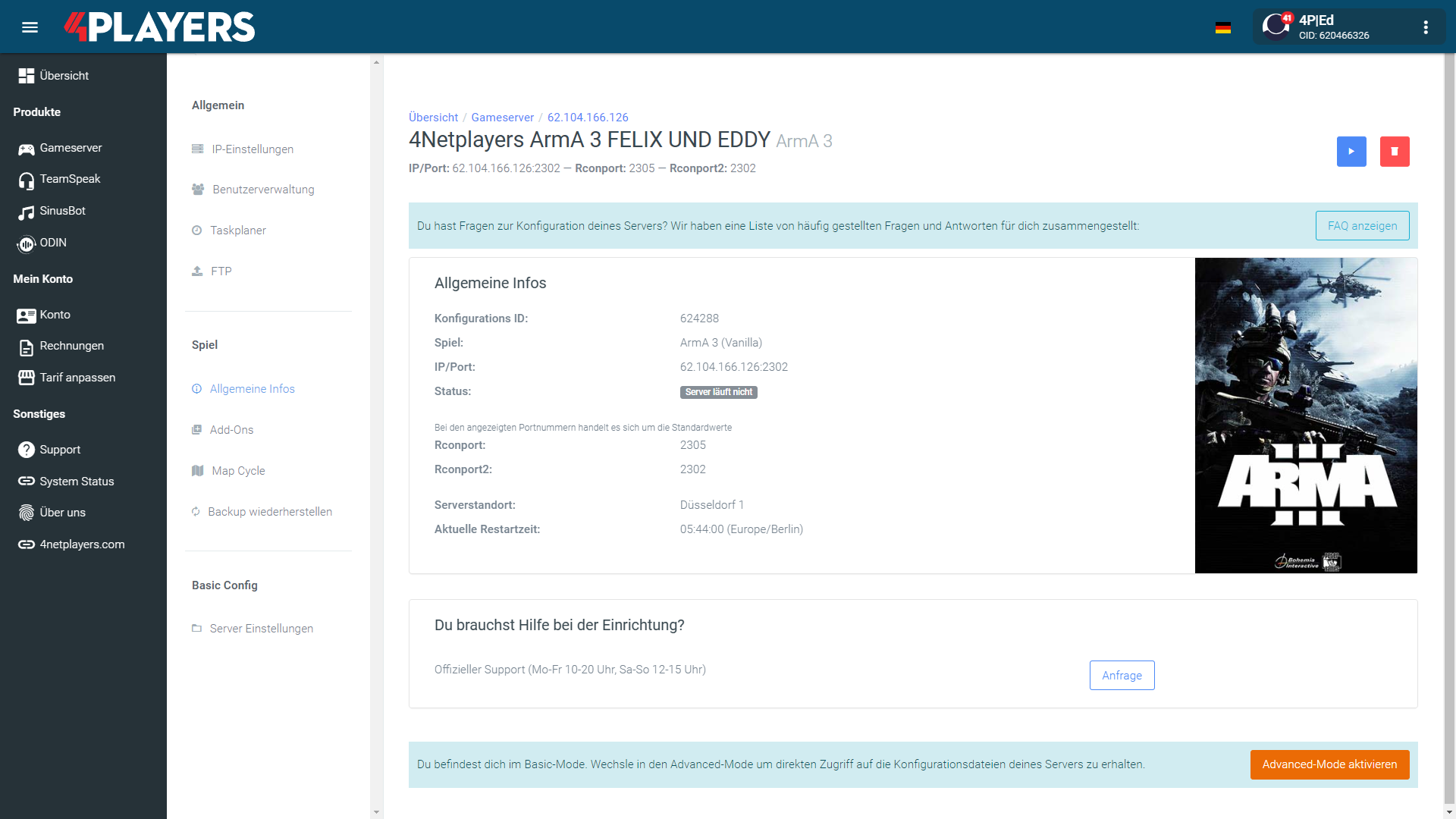
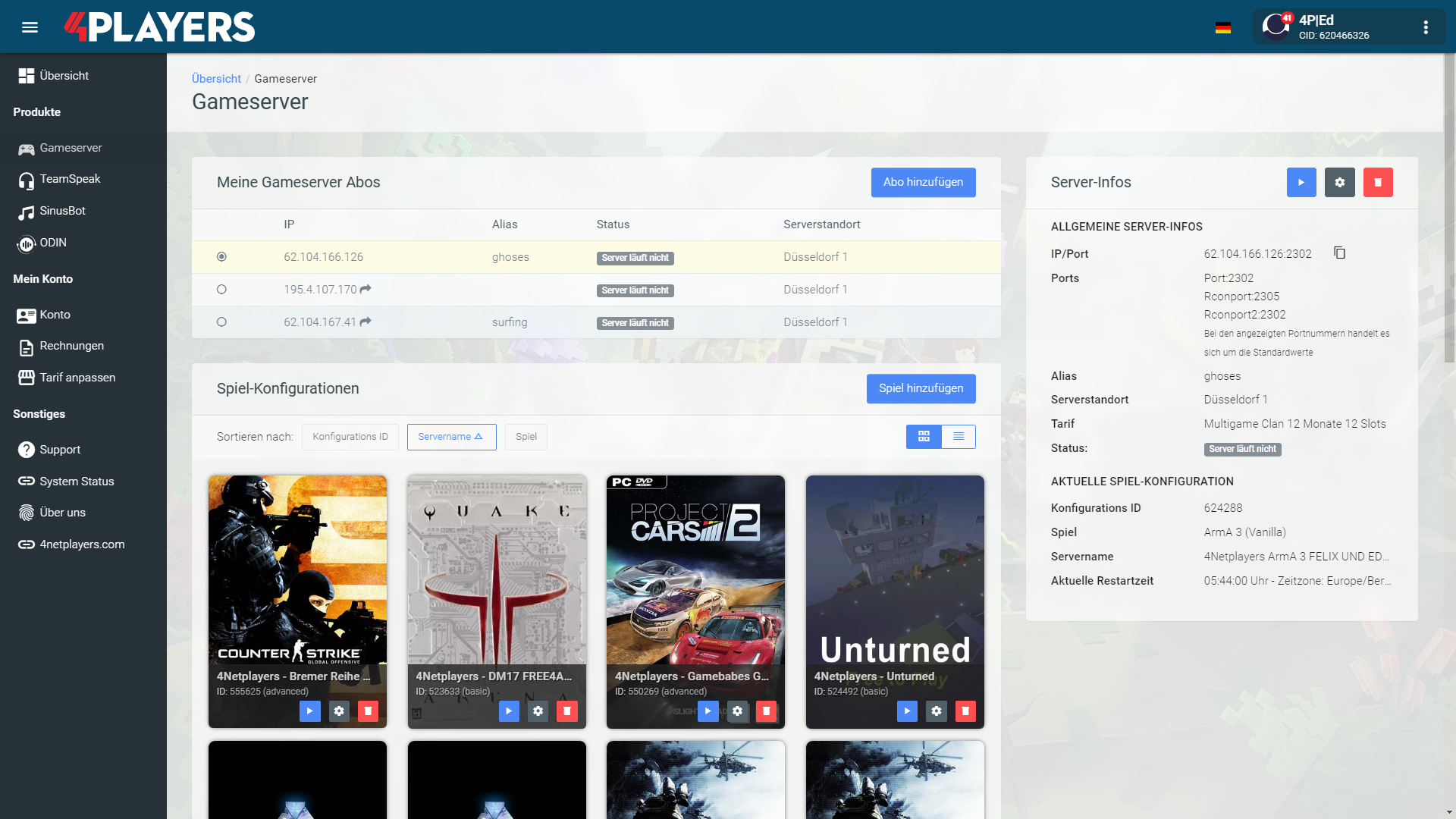
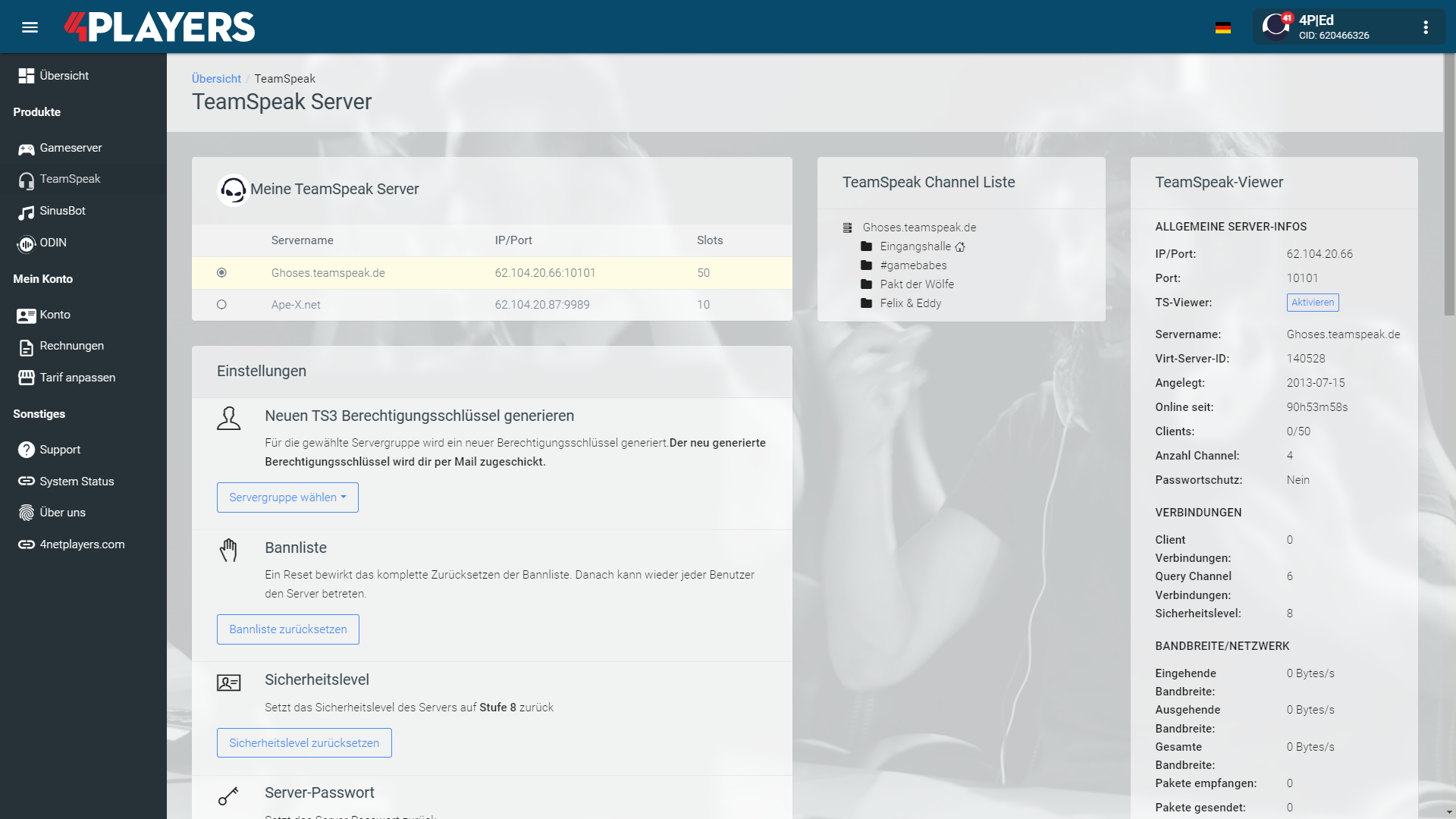
Intuitive web interface for your Minecraft server
Manage your Minecraft server easily through our web interface. Start, stop, configure your server or manage backups – all in just a few clicks, no prior knowledge required.
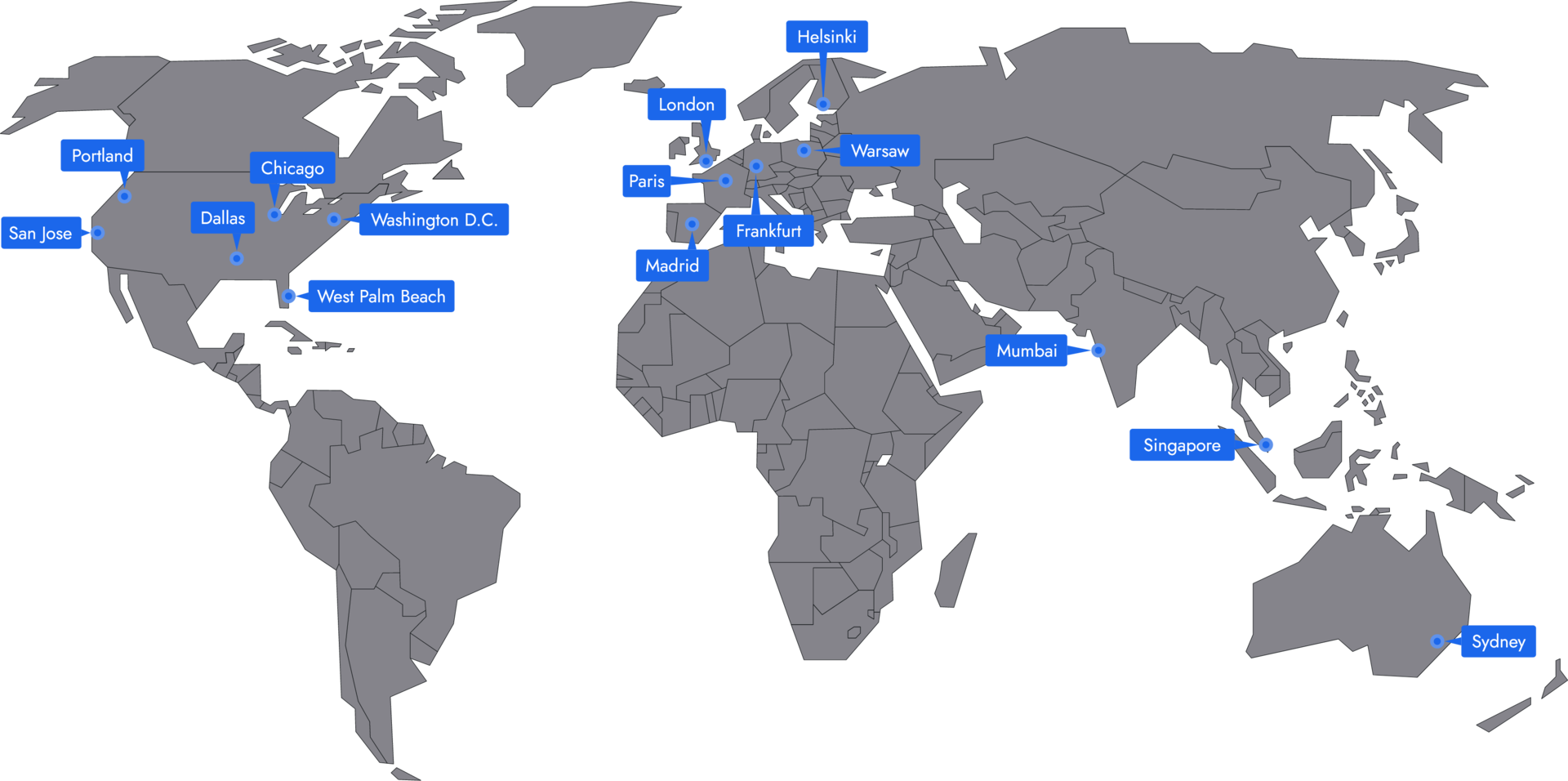
Minecraft Low-Latency Server Locations
In 20 locations worldwide, we offer unmatched connectivity with the lowest pings. New locations are being added continuously, guaranteeing breathtaking gameplay in every game with the lowest latency.
Frequently asked questions about the Minecraft server
Monthly costs primarily depend on RAM, term length, and configuration. A small vanilla world for a few friends is cheaper than a large modpack or community server.
- Small vanilla servers start with low RAM
- Plugins and larger worlds require more resources
- Large modpacks often need significantly more resources
- You can start small and scale up later
RAM requirements depend on player count, mods, plugins, view distance, and world size. For small vanilla servers, 2 to 4 GB of RAM is often enough. With plugins or modpacks, plan for more.
- 2 to 4 GB RAM for small vanilla worlds
- 4 to 6 GB RAM for plugins, Paper, Spigot, or Bukkit
- 6 to 10 GB RAM or more for large modpacks
- More players, farms, and entities increase requirements
Java is usually the best choice for mods, plugins, Paper, Spigot, Bukkit, Forge, and Fabric. Bedrock is a good option when players want to join via console, smartphone, or tablet.
- Java for mods, plugins, and technical servers
- Bedrock for console, smartphone, and tablet
- Crossplay can be helpful for mixed groups
- The right edition depends on your group
Yes, you can transfer an existing Minecraft world to your server. This is useful if you want to continue playing an existing world with friends or don’t want to lose a build project.
- Upload world files via FTP
- Choose a server version that matches the world
- Create a backup before making changes
- Then start the server and check the world
Depending on your setup, you can select mods and modpacks directly or upload them manually. It’s important that the server version, mod loader, and modpack match.
- Forge or Fabric for mods and modpacks
- Paper, Spigot, or Bukkit for plugins
- Upload your own mods via FTP
- Budget enough RAM for large modpacks
After purchase, your Minecraft server will be ready in a few minutes. Then select the version, settings, and mods or plugins if needed.
- Log in to the web interface
- Select version and configuration
- Review whitelist, difficulty, and game rules
- Start the server and connect using the server address
The best location is as close to the players as possible. For groups in Germany or Central Europe, Frankfurt is usually a good choice. International groups should choose a location that provides a stable connection for all players.
- Shorter distance to the server lowers ping
- Lower ping helps with PvP and fast interactions
- Frankfurt is often a good option for German players
- International groups should choose the location together
Yes, you can change the server favicon yourself. The icon will then be displayed next to your server in the Minecraft server browser.
- Prepare your own icon
- Upload the file via FTP to the server directory
- Follow the requirements for filename and format
- Restart the server and check the display
Your Minecraft server is usually ready to use within a few minutes.
- Automatic setup immediately after ordering
- Immediate access to the IP address and console
- No manual activation required
- Assistance from support if needed
A rented Minecraft server gives you full control and a stable gaming environment.
- Server runs 24/7
- Custom settings
- Flexible resource allocation
- Protection against outages and attacks
You can rent your Minecraft server flexibly from as little as one month.
The Minecraft servers run on professional hosting infrastructure.
- High-performance hardware
- Fast network connectivity
- Regular maintenance and updates
- Continuous system monitoring
- Protection against DDoS attacks
Yes, you can try your Minecraft server risk-free.
- 14-day right of withdrawal
- Full functionality during the trial period
- No hidden costs
Yes, your Minecraft server is fully configurable.
Yes, you’ll receive support for technical questions and issues.
- Help with setup and operation
- Contact via email or chat
- Comprehensive guides in the help section
Yes, you can switch to another game at any time.
- Switch directly via the web interface
- No extra charge for changing games
- Automatic switch within a few minutes
- Switch back at any time
Rent a Minecraft Server: Your Own Server for Java, Bedrock, Mods, and Friends
Having your own Minecraft server makes sense if you want to keep your world online permanently, play together with friends, and control rules, mods, plugins, backups, and settings yourself. Instead of waiting on other people’s servers, you decide on game mode, whitelist, difficulty, version, and performance.
With 4Netplayers, you can start small and adjust your Minecraft game server to your project later. It’s not just about the lowest price, but the right setup: enough RAM, stable hardware, low latency, simple management, and reliable backups of your world.
Which Minecraft Server Configuration Is Right for You?
The right configuration depends on how many players are online at the same time and whether you want to use vanilla, plugins, or modpacks. For a small survival world with a few friends, a lean setup is often enough. As soon as many chunks are loaded, redstone farms are running, or large modpacks are active, you should plan for more RAM.
- Vanilla with 2 to 4 players: a small server is usually sufficient
- Plugins with Paper, Spigot, or Bukkit: more RAM provides steadier headroom
- Forge, Fabric, and modpacks: plan significantly more performance depending on the modpack
- Community servers: better to start with headroom so events, farms, and many players run smoothly
If you’re unsure, start with a base configuration and adjust RAM, term, or options later to fit your project.
Java or Bedrock: Which Minecraft Edition Do You Need?
Minecraft Java is especially popular for mods, plugins, technical servers, and extensive modpacks. If you want to use Forge, Fabric, Paper, Spigot, or Bukkit, Java is usually the right choice. Many well-known modpacks and server setups are designed for the Java Edition.
Bedrock is particularly interesting if players want to join from console, smartphone, or tablet. For mixed groups, a suitable crossplay setup can be worthwhile. So the decisive factor is not only the edition, but also which devices your fellow players use and whether you want to deploy mods, add-ons, or plugins.
Minecraft Servers with Mods, Plugins, and Modpacks
A rented Minecraft server gives you the freedom to significantly expand your gameplay experience. You can host classic vanilla worlds, use performance plugins, or play large modpacks with tech, magic, new biomes, and additional bosses.
Typical setups include:
- Paper or Spigot for plugins, permissions, economy, minigames, and community features
- Forge or Fabric for mods and modpacks
- Bukkit-compatible plugins for administration, protection systems, and quality-of-life features
- Vanilla for the most authentic Minecraft experience
Especially with modpacks, you shouldn’t focus only on player count. Many mods load additional structures, machines, entities, and dimensions. That increases RAM requirements and makes stable server hardware more important.
How Much RAM Does a Minecraft Server Need?
RAM is important in Minecraft, but it’s not the only factor. A server with many players, high view distance, active farms, or large modpacks needs more headroom than a small vanilla world. CPU performance and fast storage also affect how steadily chunks load and how clean the tick rate stays.
As a rough guideline:
- 2 to 4 GB RAM: small vanilla worlds and a few players
- 4 to 6 GB RAM: plugins, larger worlds, or regular player groups
- 6 to 10 GB RAM and up: extensive modpacks, many entities, or larger communities
If you need more performance later, flexible upgrades are better than starting too big. That way you only pay for what your project really needs.
Upload Your World, Use Backups, and Change Settings
Many players don’t want to start completely from scratch, but instead upload an existing Minecraft world to the server. For that, file access, simple management, and reliable backups are important. This way, you can secure your world, restore it, or continue building with friends without having to deal with server tech all the time.
Important management features for Minecraft servers include:
- Upload or regenerate a world
- Manage whitelist, operators, and player permissions
- Adjust difficulty, PvP, view distance, and other settings
- Switch mods, plugins, or versions
- Create backups and restore them when needed
This is especially important when a lot of time has gone into builds, farms, or community worlds.
Low Ping with the Right Server Location
A Minecraft server should be as close to the players as possible. The lower the ping, the more responsive combat, block placement, and interactions feel. This is especially noticeable in PvP, minigames, Elytra flights, or heavily trafficked servers.
If your group mainly plays in Germany or Central Europe, a location like Frankfurt is usually a good choice. For international groups, another location may be more suitable so that all players get the most stable connection possible.
Plan Minecraft Server Costs Realistically
The cost of a Minecraft server depends mainly on RAM, term, features, and usage. A small server for friends can be inexpensive. Large modpacks, many players, or public community projects, on the other hand, require more performance and thus a larger package.
Instead of deciding based only on the lowest price, you should check what you really need:
- How many players are online at the same time?
- Do you play vanilla, with plugins, or with modpacks?
- Should the world stay online permanently?
- Do you need backups, FTP access, or lots of customization options?
- Is low ping important for your group?
This way you’ll find a configuration that fits your project and isn’t unnecessarily expensive.
Who Benefits from Having Their Own Minecraft Server?
Having your own Minecraft server is worthwhile for small groups of friends as well as larger projects. You can run a private survival world, start a creative server for building projects, organize a modpack playthrough, or build a community with its own rules.
A dedicated server is especially handy when multiple players are online at different times. The world remains available, progress isn’t lost, and no one has to run their personal PC as the host. You decide who has access and how your server evolves.
Conclusion: Rent a Minecraft Server with Control, Performance, and Clear Costs
If you play Minecraft with others regularly, your own server is the most stable and flexible solution. You get control over the world, players, mods, plugins, and settings and can adapt your project as it grows.
For the best choice, first decide whether you want to support vanilla, Java mods, plugins, Bedrock players, or a large modpack. Then choose RAM, location, and term to match your group. That way you won’t rent an oversized server, but exactly the Minecraft server configuration that fits your playstyle.
Helpful Minecraft server guides
Selected guides for choosing, setting up and managing your own Minecraft server.