Minecraft features a range of blocks with unique functions, but none are quite as distinctive as Sculk! It’s a family of blocks closely tied to a specific biome and boss in the game. Their job is to transmit sound waves and trigger certain effects—very useful in the right hands, though not every player appreciates them at first glance. Below, we’ll take a closer look at the different Sculk blocks, where to find them, and how to use them. You’ll discover features that can make classic redstone lines feel downright old-school!
Finding Minecraft Sculk: Deep Dark, Ancient Cities, and the Warden
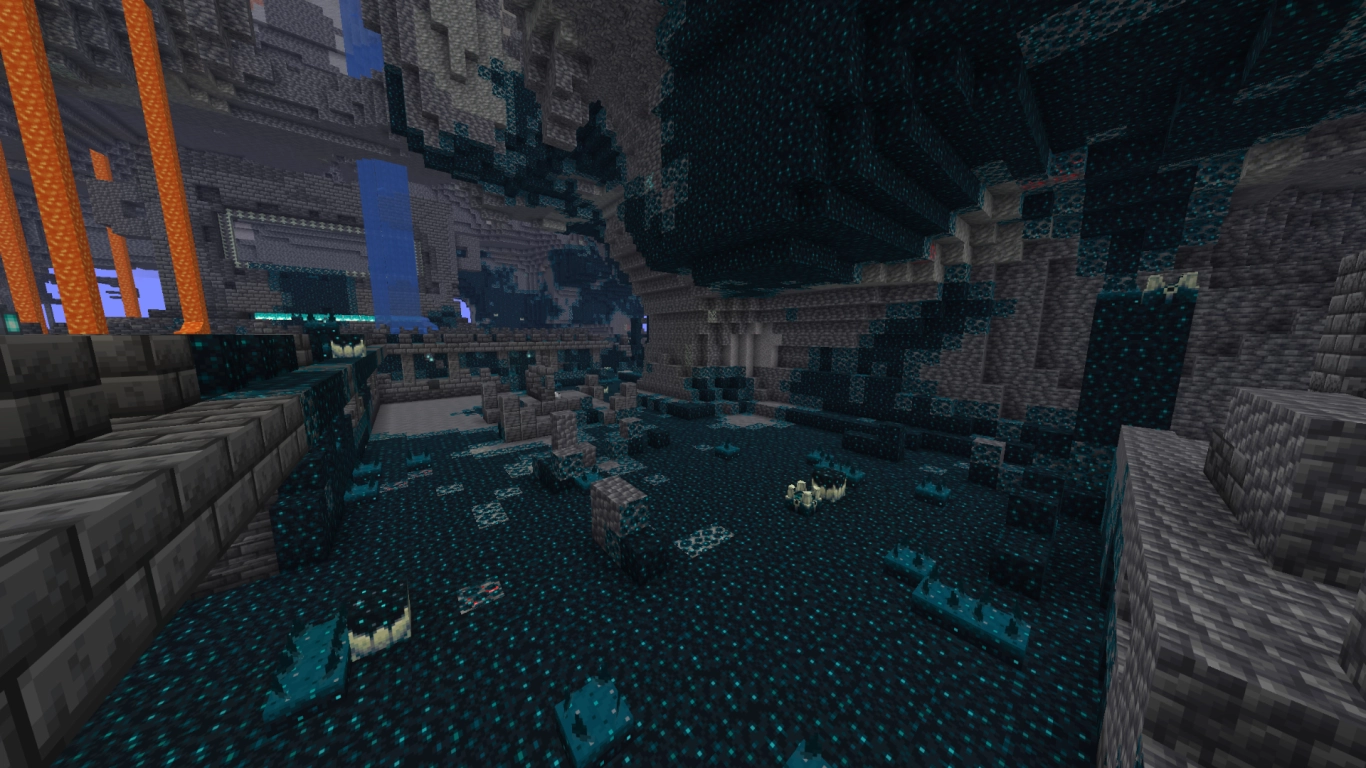
Sculk arrived in Version 1.19: The Wild Update. You’ll find the associated biome, the Deep Dark, deep inside caves. The blocks also appear in Ancient Cities. That’s the only place you can discover many of these blocks, and the biome itself tends to generate beneath very tall mountain ranges. You won’t usually find it under deserts, oceans, or swamps. The biome is easy to spot thanks to its unmistakable dark-blue Sculk blocks.
The biome is home to the Warden, one of Minecraft’s toughest bosses. We already have a guide on how to fight it: (Defeat the Minecraft Warden – How to Beat the Strongest Enemy!) . That’s not our focus here, but you should still be careful to avoid spawning it. The Warden detects vibrations and sounds via sensors and shriekers. That said, you don’t always have to dive into the Deep Dark to collect more Sculk blocks.
Minecraft Sculk Blocks Explained: Sensor, Catalyst, and Shrieker at a Glance
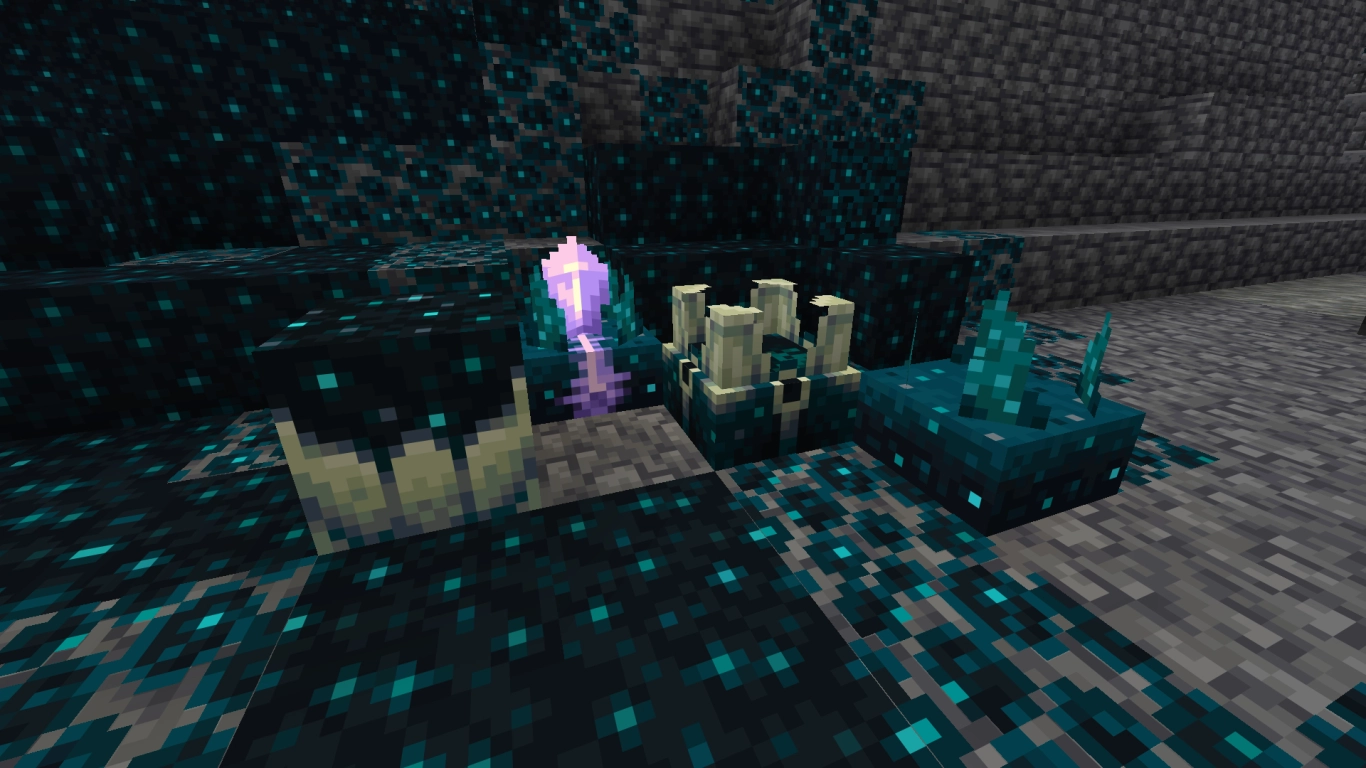
Sculk blocks offer properties no other blocks in Minecraft provide. They stand out visually and, functionally, they work with sounds and vibrations. Walking, jumping, firing an arrow, breaking or placing blocks—almost any action can trigger a signal. You can dampen or block signals by sneaking or using wool. For harvesting, use a pickaxe with the Silk Touch enchantment so you actually obtain the Sculk blocks. A pickaxe is also the fastest tool for Sculk.
Sculk: The basic Sculk block is primarily decorative and can be found in large quantities in the Deep Dark. Its dark look with glittering specks is a bit like a starry sky. If you mine it without Silk Touch, it also drops 1 XP.
Sculk Vein: Veins often appear at the biome’s edges and function similarly to vines or glow lichen. They’re mainly decorative and great for creating intricate patterns. You’ll need Silk Touch to obtain them.
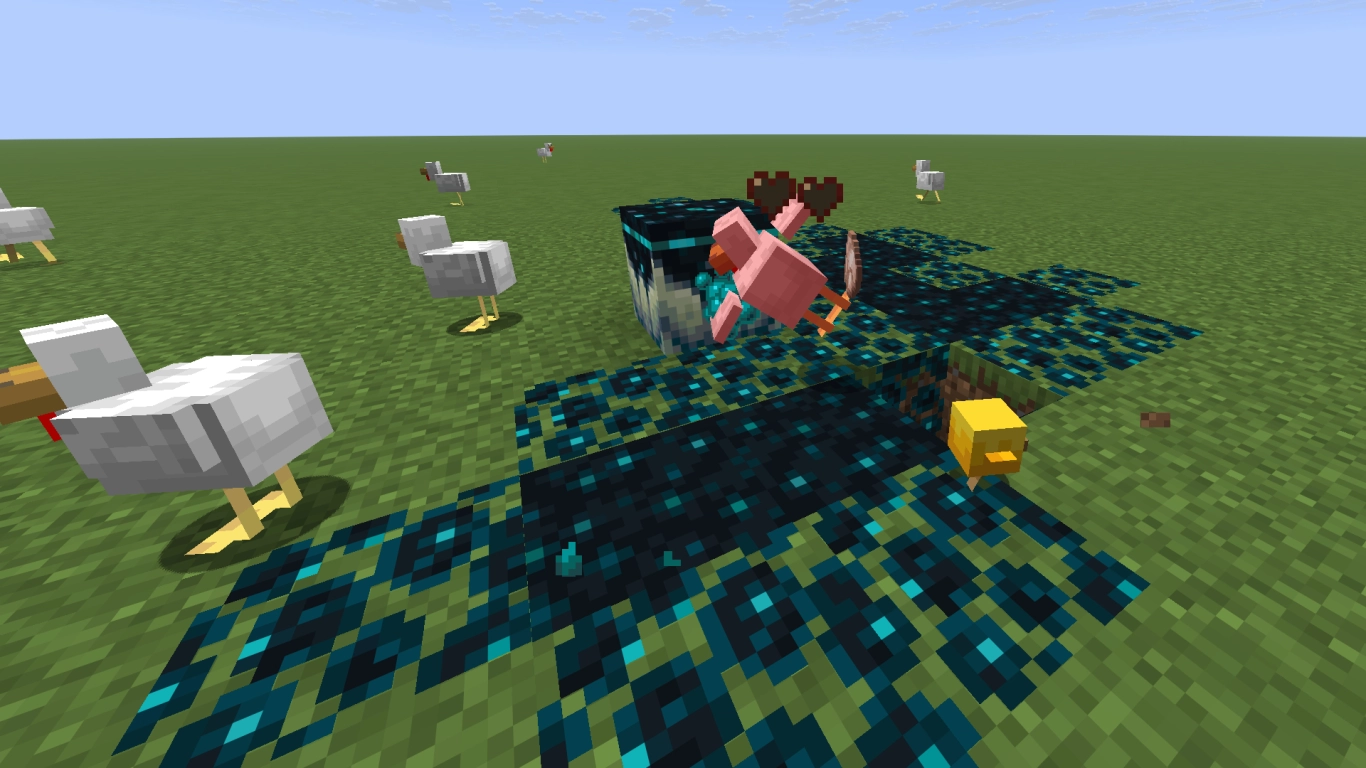
Sculk Catalyst: Arguably the most important block of the family, because it can sustainably generate other Sculk blocks. When any mob, passive or hostile, dies within an 8-block radius of the catalyst, its XP is used to generate new Sculk. Nearby natural stones and other blocks are converted into Sculk. You can repeat this endlessly and let your Sculk spread over time.
Sculk Sensor: This tentacled block detects vibrations within an 8-block radius and produces a redstone signal. You can insulate signals with wool, and you can waterlog the sensor so it won’t make noise itself.
Calibrated Sculk Sensor: An upgraded sensor crafted from one Sculk Sensor and three Amethyst Shards, and it cannot be sustainably generated via a catalyst. It detects vibrations up to 16 blocks away. On the side with the amethyst stripe, feed a redstone signal strength from 1 to 15 to filter for specific categories of sounds. A comparator can conveniently read the output strength.
Sculk Shrieker: This block is tailored to the Warden. If it receives enough signals, including relayed ones from sensors, it can summon the Warden. Typically, only naturally generated shriekers in the Deep Dark can call the Warden, not ones placed by players.
Sculk Sensor Ideas: Wireless Redstone, Traps, and Automation
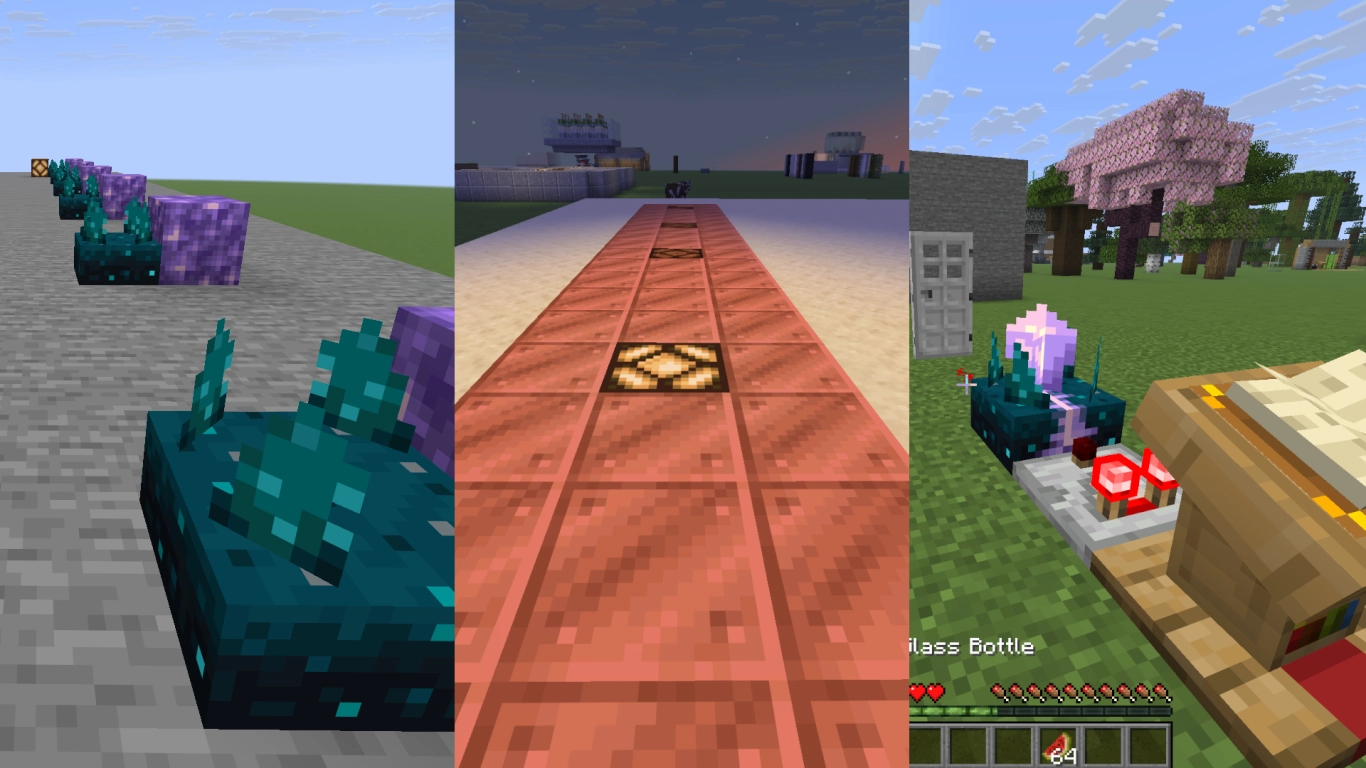
Beyond decoration, sensors are where Sculk truly shines. Their ability to trigger redstone signals via sounds is genuinely unique, opening up all kinds of creative builds. We recommend placing water over sensors so they don’t make any noise themselves. This doesn’t affect their functionality. Use wool to allow vibrations only from selected directions.
Wireless signal: If a Block of Amethyst is adjacent to a sensor, it can relay a signal via vibration resonance. This gives you essentially wireless redstone over longer distances without lengthy lines.
TNT trap: Sculk Sensors can also trigger TNT, letting you construct effective traps.
Automatic lighting: At night, you can use sensors with a Redstone Lamp placed above to make a walkway where lights turn on automatically as you pass.
Door opener: Combine these features for hidden doors that only open when specific sounds are detected. With the Calibrated Sensor, you can define exactly which events open the door.
Puzzle room: The Calibrated Sculk Sensor is great for puzzles since it can be tuned to specific signals. At filter level 8, for example, it reacts to eating food. At level 13, it reacts to placing a block. This makes all kinds of puzzles and mini-games possible.
Conclusion: Smart Sculk Uses for Redstone and Decor in Minecraft
The Sculk family is unique and gives you many ways to approach builds and ideas differently. If you don’t want to run redstone lines everywhere but still love automation, they’re a powerful alternative. Thanks to sounds, signals can be transmitted, and with the Calibrated Sculk Sensor you can filter very precisely. They also work well as decoration—their otherworldly look fits especially well in the End.
If you want to try Sculk blocks yourself, rent one of our Minecraft servers and test the features with friends. Team up for fun—or set traps for each other—whatever you like.