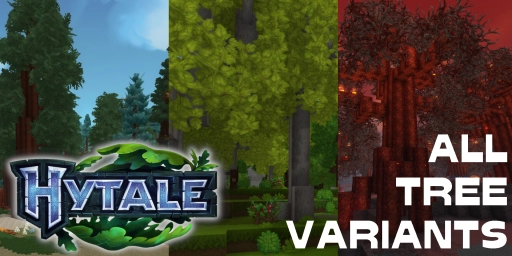
Trees in Hytale behave differently from what you might be used to from other well-known games. What’s more, there are many different wood types to choose from, even in the starting area. That can be a little confusing, because to keep track there and later find the right wood for building, you’ll sometimes have to undertake long journeys. Vegetation also varies greatly depending on the biome. Today we’re looking at all currently available wood and tree types, where to find them, and what their corresponding planks look like. We’ll also cover which trees you can grow yourself using saplings.
Hytale wood farming: felling trees, loot and uses
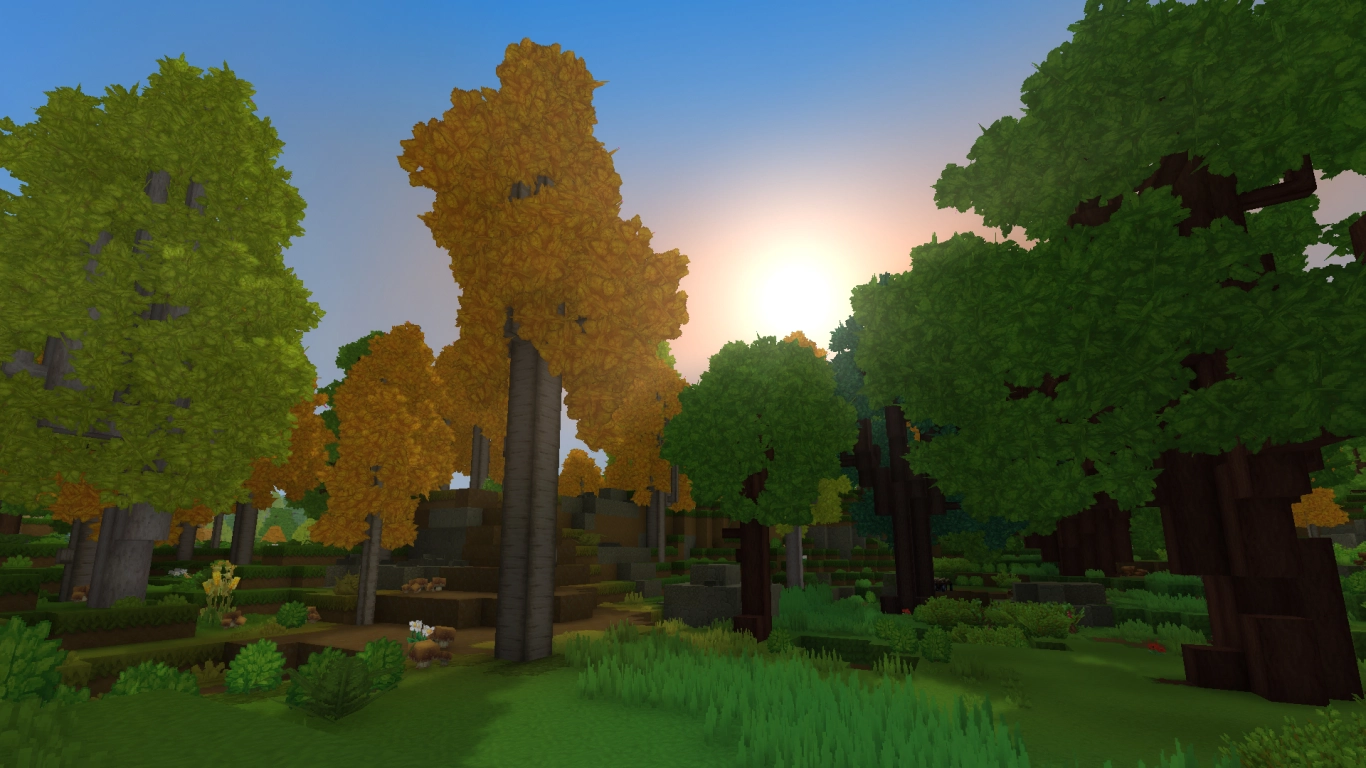
You’ll find trees right at the beginning of your Hytale adventure. You can fell trees by punching with your fist or using an axe to break the bottom log. The entire tree then collapses in on itself — a great mechanic. Most trees drop their log, sticks, fibres and resin. Trees also have deep roots, where you can dig up even more wood.
You can use the logs you find for:
- Crafting other workbenches
- Crafting furniture
- Converting into wooden planks at the Builder’s Workbench
- Fuel for furnaces and campfires
Unlike games such as Minecraft, the log does not correspond to the wooden planks you can convert at the Builder’s Workbench. Logs are divided into eleven categories and are required in this form for some recipes. It’s therefore important to find the right type. A few logs do not fit into these categories.
We’re only looking at variants you can also find in Survival. If you want to learn more about the biomes themselves, read our article here: (Hytale zones explained: biomes, ores and mobs) . We’ve already covered wood there as well.
All Hytale wood types and associated trees by biome
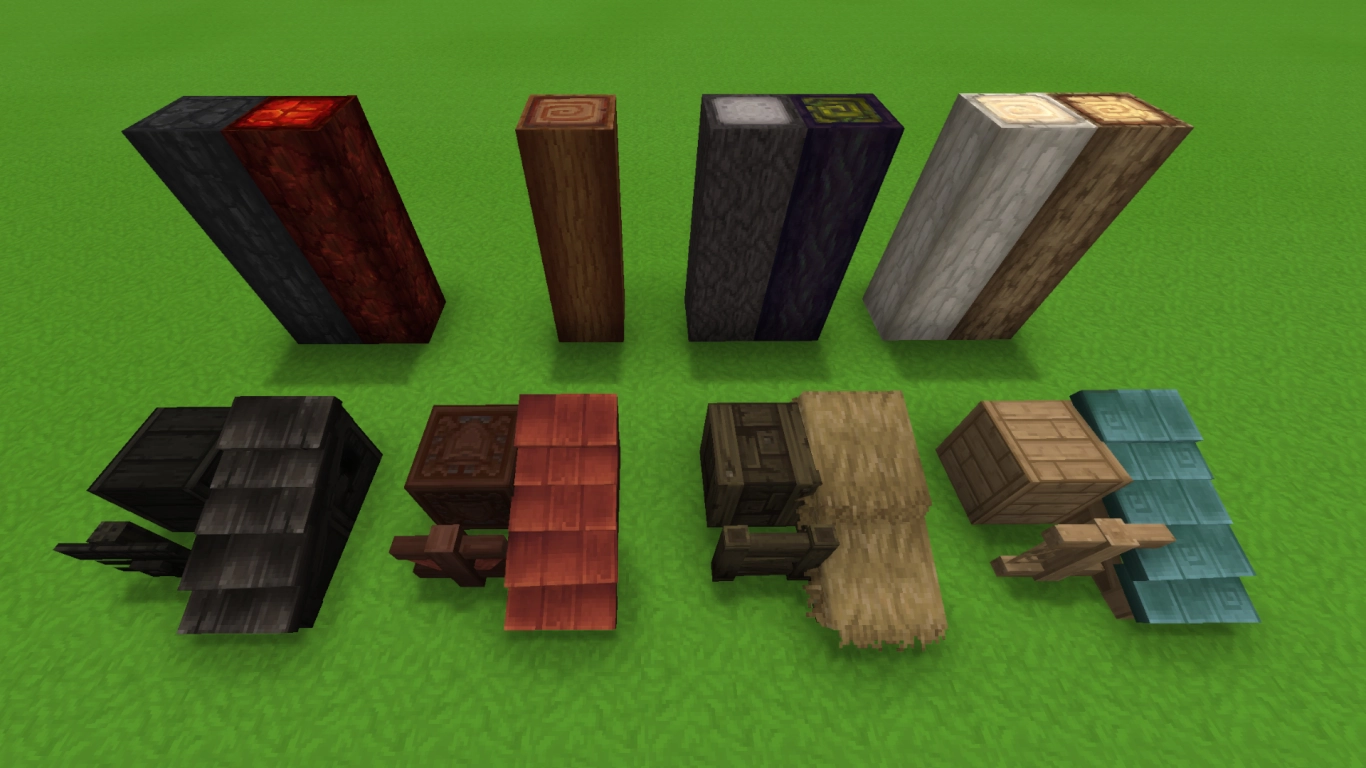
Blackwood:
- Burnt (Zone 4): A dark trunk that can be found sporadically.
- Fire (Zone 4): A red-glowing log found in forests.
Darkwood:
- Cedar (Zone 3): A tree with pale-blue needles, often found in cold regions.
Deadwood:
- Petrified (Zone 4): A grey log with a strange pattern.
- Poisoned (Zone 4): Violet colouring with a flowing pattern, but not directly poisonous.
Drywood:
- Bottletree (Zone 2): A white-coloured trunk found in arid regions.
- Dry (Zone 2): A cracked texture with a brownish colour.
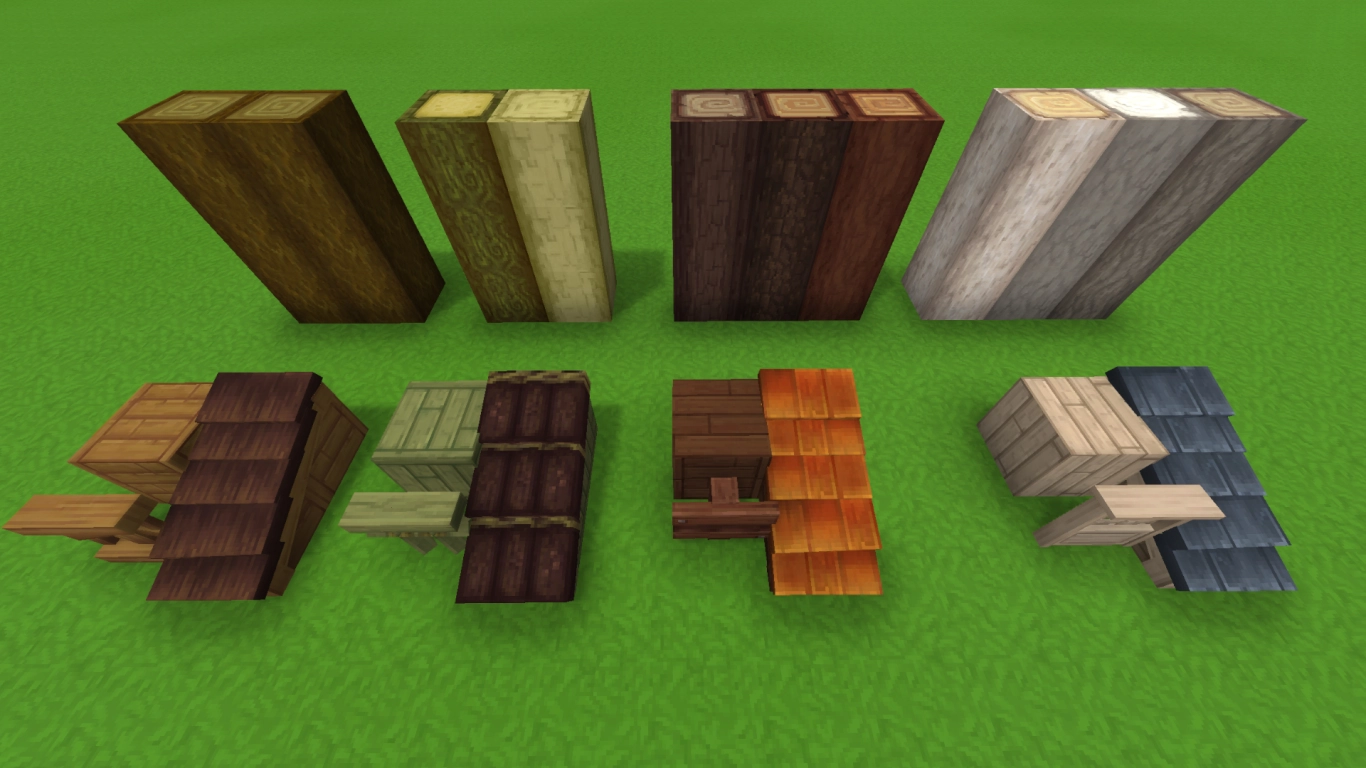
Goldenwood:
- Palm Tree (Zone 2): Found within the desert, unmissable.
- Sallow (Zone 4): In contrast to its biome, a very green and lush tree. Hard to find, but very conspicuous with its green-yellow leaves.
Greenwood:
- Jungle (Zone 4): A greenish log with a swirling pattern. Found in the depths beneath Zone 4.
- Palo (Zone 2): Light green with broad foliage. A common tree in the desert.
Hardwood:
- Ash (Zone 1 and Zone 4): A frequently encountered tree you can chop right at the start. With dark green leaves.
- Fir (Zone 3): Found in snowy regions. Has a dark-brown colouring that sets it apart from other conifers.
- Oak (Zone 1): The most common tree in the first area. Hard to distinguish from Ash, except for its lush green leaves.
Lightwood:
- Birch (Zone 1): Common in Zone 1, with light green foliage. Also has its own biome mixed with Aspen.
- Camphor (Zone 4): With light-grey bark, it’s one of the trees that grows in the depths of Zone 4.
- Gumboab (Zone 2): A greyish and very thick trunk that rewards you with plenty of wood.
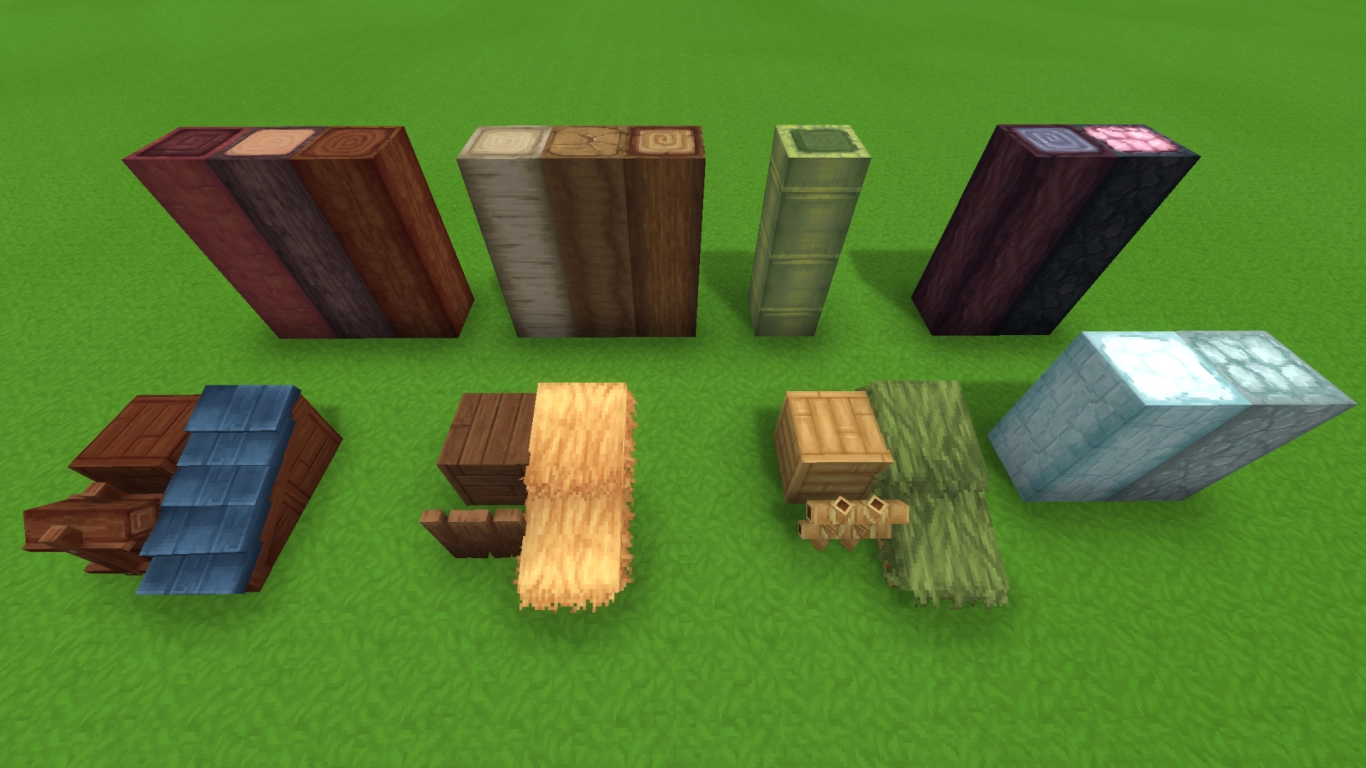
Redwood:
- Blue Fig (Zone 4): Also a rare tree in the jungle of Zone 4, distinguished by its wine-red colouring.
- Maple (Zone 1): Part of the autumnal deciduous forests in the first zone. They stand out with their dark red leaves.
- Redwood (Zone 3): Part of the dense forests in Zone 3, with thick trunks and great height.
Softwood:
- Aspen (Zone 1): A light trunk, barely distinguishable from Birch.
- Banyan (Zone 4): Another tree from the caves of the Devastated Lands, with brown-grey colouring and ornate branches.
- Beech (Zone 1): You’ll often encounter Beech in Zone 1 at the start of your journey. Its bark is a little lighter than Oak or Ash.
Tropical:
- Bamboo (Zone 4): Part of the jungle beneath Zone 4, growing in small clusters.
Special category:
- Azure (Zone 1): A blue-coloured trunk from the Azure woods in Zone 1. Has no separate wood variants, but is needed for some recipes, such as teleporters or workbench upgrades.
- Crystalwood (Zone 4): Black on the outside, pink on the inside. A rare underground tree from the Devastated Lands that has no wood processing.
- Ice (Zone 3): A frozen trunk that can only be found in chests in Zone 3. You can convert it into ice decorations.
- Spiral (Zone 3): Extremely rare in ice caves, but currently has no variants either.
Crafting saplings and planting trees in Hytale
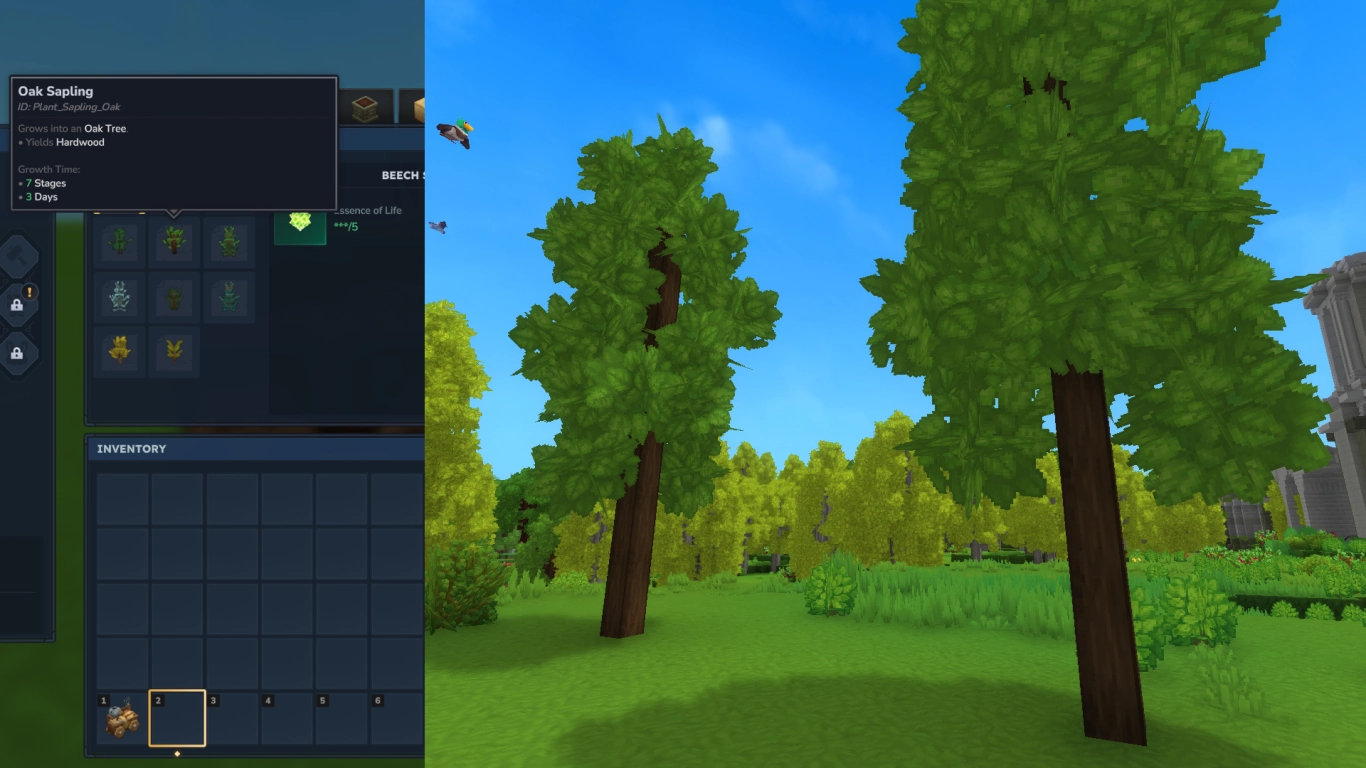
You don’t always need to trek across the world to find new trees. Some of them can be crafted as saplings at the Farmer’s Workbench. For this, you’ll need Essence of Life, which we’ve covered in a separate article: (Hytale Farming Guide: Workbench, Irrigation and Essence of Life) . The amount of Essence of Life required increases by tier, from 5 to 35.
Most trees grow in two days and go through five different stages. You can watch them grow.
All craftable saplings:
- Beech (Tier 1)
- Birch (Tier 3)
- Spruce (Tier 4)
- Frozen Spruce (Tier 4)
- Apple (Tier 4)
- Oak (Tier 4)
- Ash (Tier 4)
- Redwood (Tier 5)
- Cedar (Tier 6)
- Dry (Tier 7)
- Palm (Tier 8)
Conclusion: Hytale wood types, biomes and saplings at a glance
Chopping down trees in Hytale is great fun, as the entire tree collapses in on itself. And you can find more than 30 different tree species and eleven distinct wood variants to build your dream home. You will, however, have to travel far, as many of these types are only found in other zones. A few trees can also be grown with saplings.
Hire your own Hytale server with us right away and set off in search of rare trees. You’ll also always be ready when a new update is around the corner.
More interesting articles
Hytale structures: The best builds by zone (1–4)
Hytale Food & Recipes: The complete cooking guide
Hytale Farming Guide: Workbench, Irrigation and Essence of Life