In Hytale you can of course not only explore the world, but also build! The system is already very sophisticated, with lots of different blocks and decorations you can use. A base is not just handy for storage and all your workbenches — it also lets you set up your first fields and gives you a place to respawn when you die. As you progress — and with future updates — you can expand and upgrade it, or move to a new, more scenic spot! Today we’ll walk you through the fundamentals of Hytale’s building system so you can create the perfect first base.
1. Choosing your Hytale base location: tips for the perfect spot
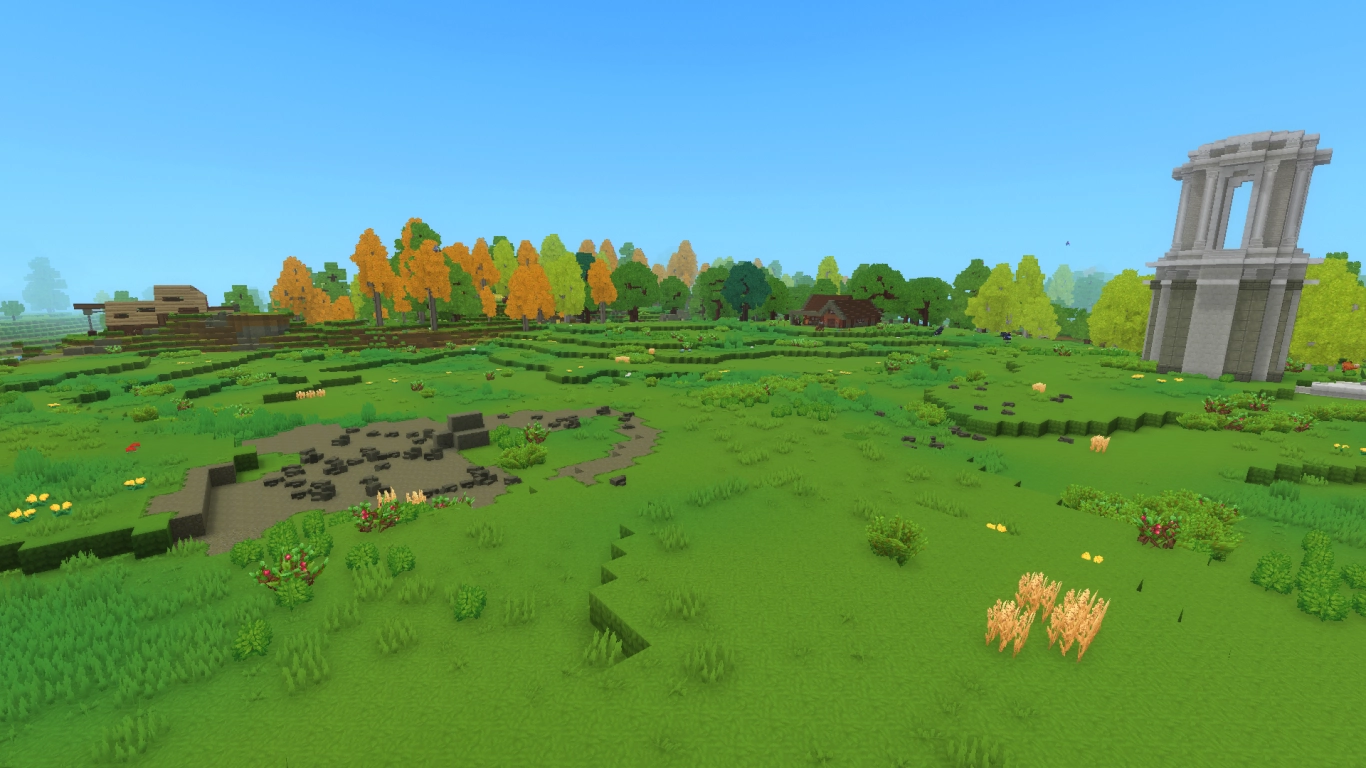
First, decide where you want to set up your base. There are several parameters that can make a location good or bad. Ultimately it’s up to you, but sometimes it pays to think a bit more strategically.
In general, we recommend starting your first base in Zone 1, where you spawn. This gives you access to other zones in all directions and leaves you centrally positioned. Later, you can always move to other areas if you prefer the desert or snowy biomes.
We also suggest setting up near interesting locations such as cave entrances, other structures, the Forgotten Temple, or a Kweebec village. Try to be reasonably close to water so you can irrigate your fields later or set up fish traps.
You don’t have to start from scratch, either — you can claim and renovate one of the many structures in the world. That’s great fun and can be easier for beginners, since you already have shelter and a rough template. For example, you could remodel the spawn temple or find an abandoned mine. Just keep in mind that in some structures monsters will respawn — and you won’t want any uninvited guests!
2. Hytale building materials and textures: combining them well
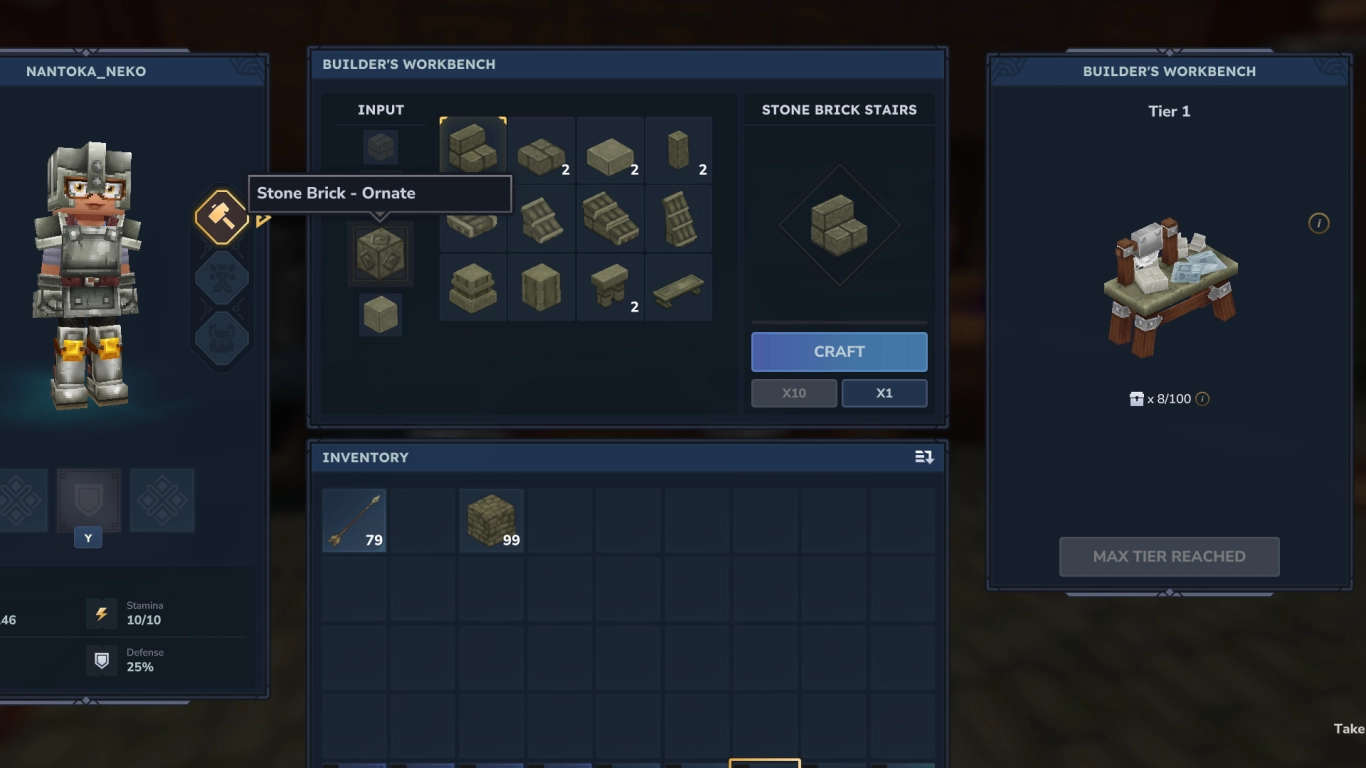
Hytale offers a wide range of resources to build with. Use the Builder’s Workbench to process materials you’ve found into different shapes. Not every block can be converted, but you’ll discover many different wood types and kinds of stone on your travels! We already have a detailed guide to trees and wood (Hytale wood types & saplings: locations of all trees) to help you find all eleven varieties for your base.
This lets you mix and match materials, colours, and textures to see what works best together. Other players’ builds online, or a real-world reference, can help as guides. Or simply let your creativity run free and focus on your own ideas. Hytale lends itself especially well to medieval builds, but even within that style there’s a lot of variety.
3. Hytale workbenches and chests: making the most of range
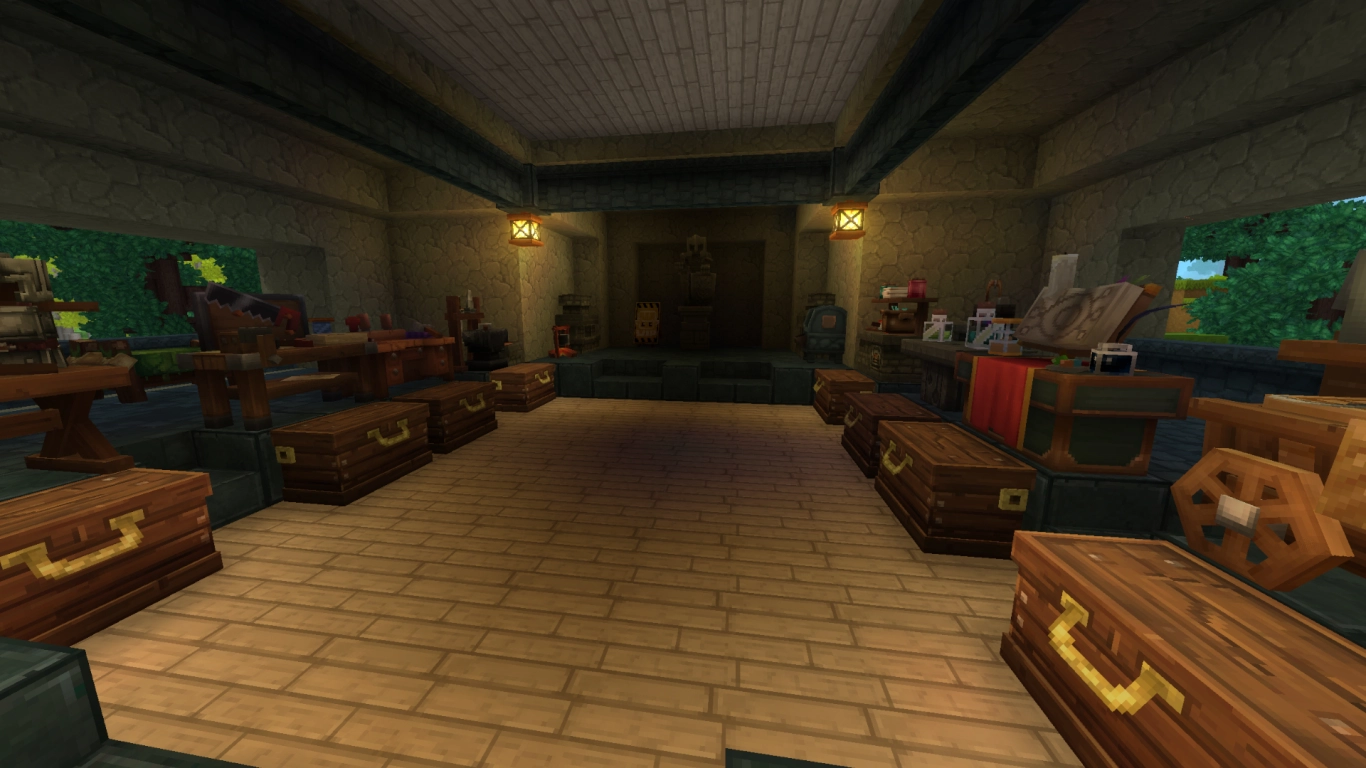
Unlike Minecraft, for example, Hytale uses different workbenches for crafting. These can access nearby chests, so you don’t always have to carry every item in your inventory. That makes it important to plan your base layout accordingly.
Currently, each workbench has a range of 14 blocks in all horizontal directions, plus 6 blocks above and below. In Early Access this can still be a bit buggy, but generally it works as intended. So make sure all your chests and workbenches sit within this radius if you want to benefit from it.
4. Hytale farming: space for fields and animals
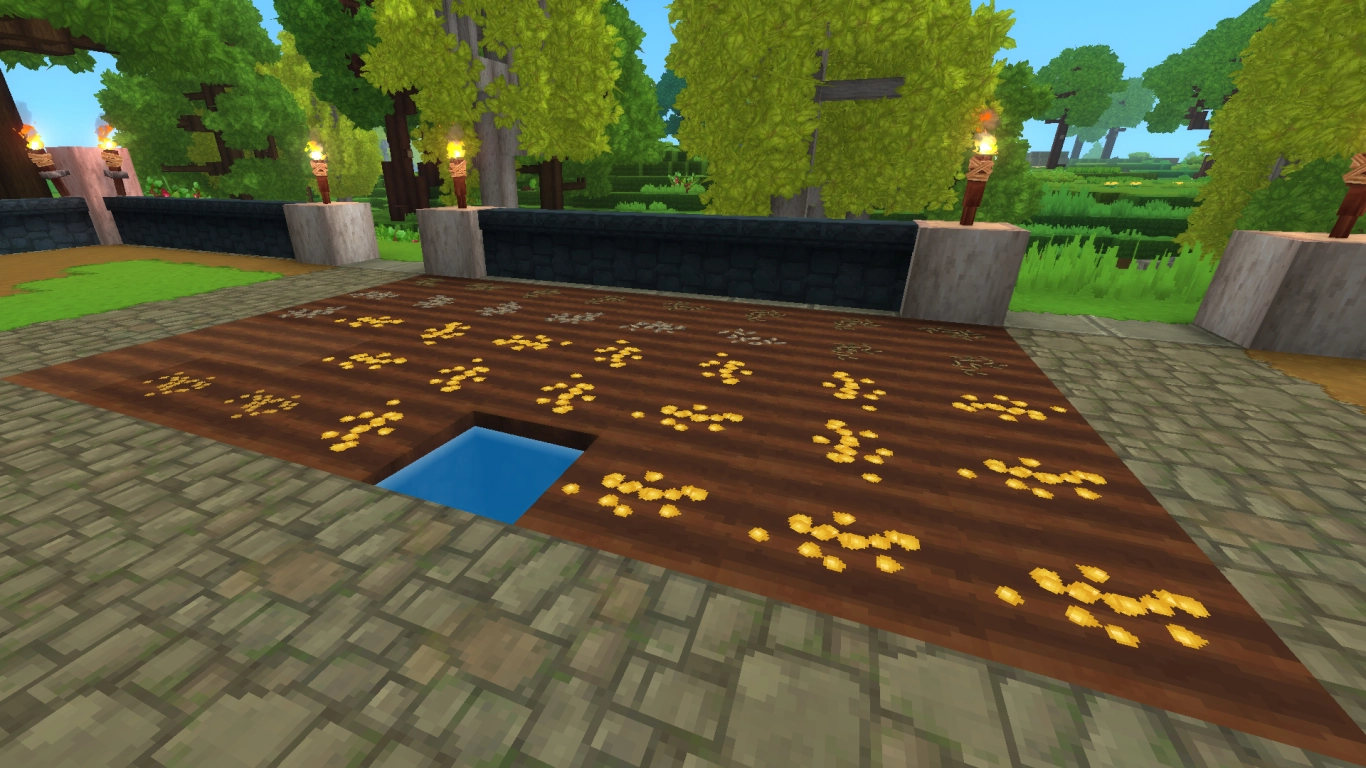
Lush fields are part and parcel of Hytale, as they’re a key foundation for several systems in the game, including food, saplings, and natural decor. You should at least set up a small plot next to your base to upgrade the Farmer’s Workbench over time and grow some tasty vegetables. Farming is already quite advanced and a lot of fun! You can read more in our dedicated post (Hytale Farming Guide: Workbench, Irrigation and Essence of Life) .
You may also be able to capture a few animals early on to collect eggs, wool, or milk. This system is not yet fully polished, and animals can occasionally disappear from their pens. That will surely be refined and expanded in future updates.
5. Hytale forge: planning an effective outdoor area
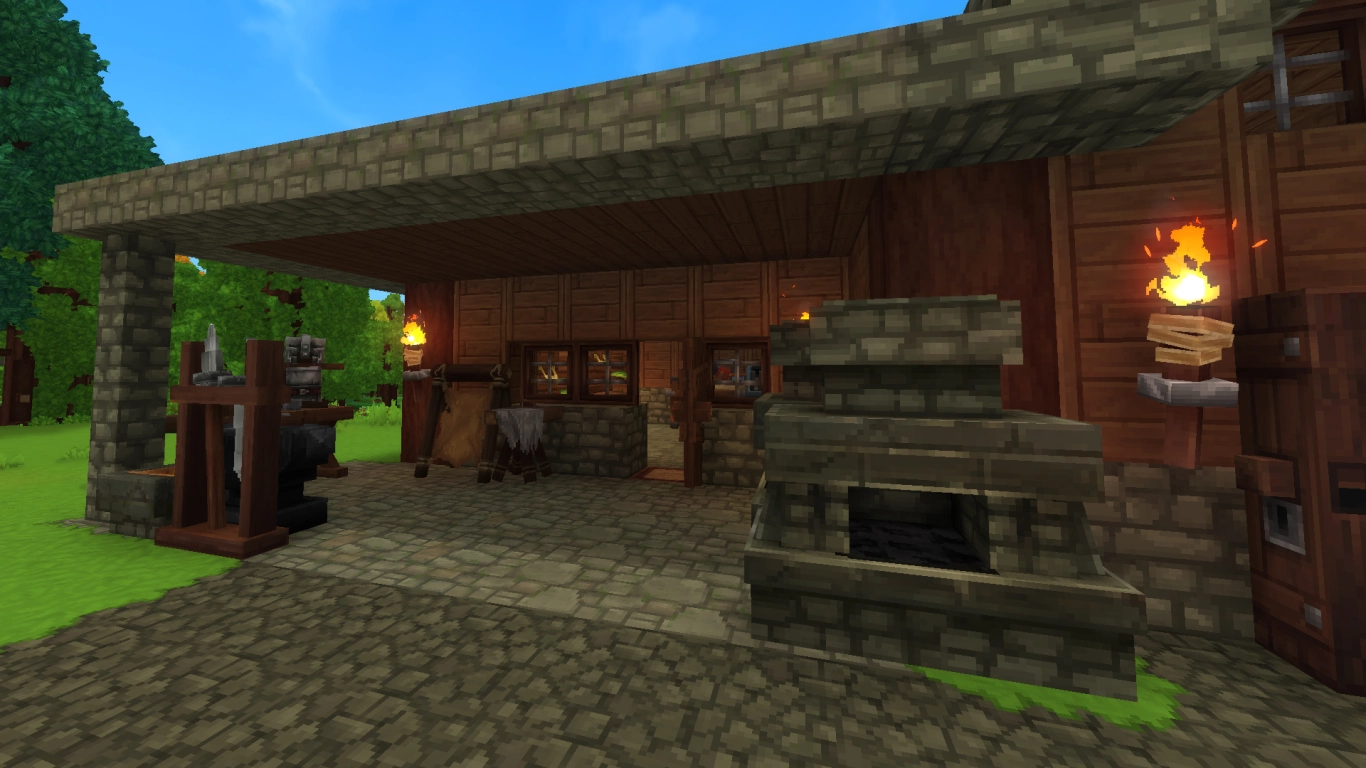
A nice touch for your first base is to create a dedicated forge area. That way you don’t cram every workbench into your main house and can integrate them better into your overall design. With the 14-block range for neighbouring chests, you should still have no trouble using them.
For instance, you can keep your furnaces outside and perhaps place the Tanner’s Workbench nearby. Neither requires chest access, as you operate these stations manually. The Smithing Table for weapons and the Armour Workbench are also perfect for such an outdoor area, as they don’t really belong in your base’s living room.
6. Hytale lighting: effective light sources for clarity
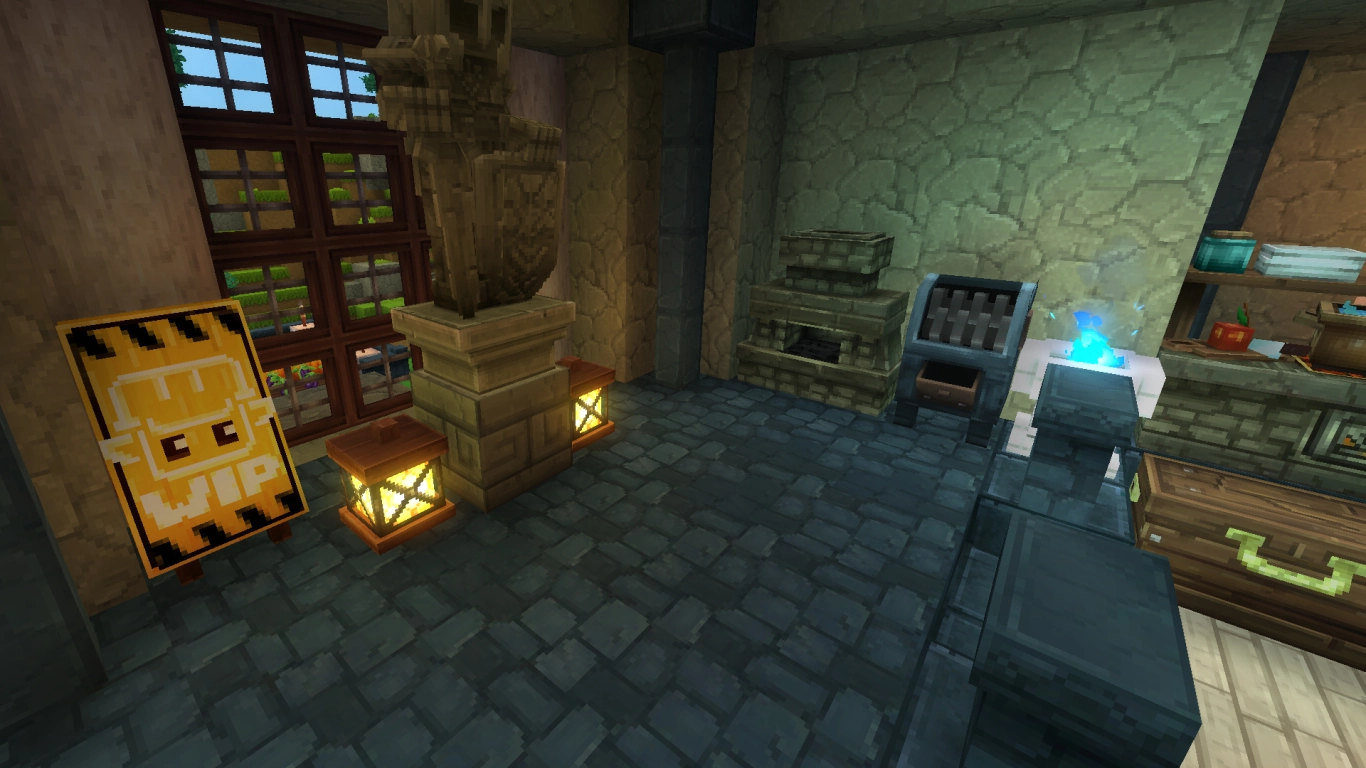
The right lighting gives your base the finishing touch — and Hytale offers plenty of options beyond basic torches. Check the Furniture Workbench, where under the “Lighting” section you’ll find beautiful decorative pieces that also illuminate your base. From atmospheric candles and fierce braziers to bamboo lamps, there are all sorts of great light sources! A look at the festive decorations tab reveals more lamps and fairy lights.
You can also salvage lights from structures, and some of these are currently only obtainable that way. Explore the zones and structures to track down rare light sources — you might find lovely lamps you can’t craft yourself.
Conclusion: Your first Hytale base as a springboard for adventure
Thanks to its rich materials, Hytale is perfect for creative ideas! In the Builder’s Workbench you can convert almost any resource into different blocks, roofs, or fences to give your base a unique look. Exploring pays off, as you’ll keep finding new kinds of stone and wood. Make efficient use of your workbenches too, for example to set up fields or craft stylish lamps. And remember: future updates will almost certainly bring many more options!
Start building your first Hytale base now by renting your own Hytale server! You can build not only on your own, but also together with friends. Compare ideas or team up on a large shared base.
More interesting articles
Hytale structures: The best builds by zone (1–4)
Hytale Caves Guide: All Ores, Resources, Biomes and Tips