With Scorched Earth, released on 1 September 2016, the first paid expansion for ARK: Survival Evolved arrived – and it marked a turning point. Where The Center felt like an extension of the existing world, Scorched Earth took the radical step into an entirely new environment. Instead of tropical islands and lush jungle, you face aridity, heat, and endless expanse. The desert becomes the central stage, and survival an even greater challenge.
This DLC proved ARK could be more than an island full of dinosaurs. It showed that Studio Wildcard could craft not just new creatures but entire biomes. Scorched Earth tells a story of survival under extreme conditions – in a world where water is more precious than metal, and even the sky works against you.
The release came as a surprise. Few expected a full add-on while the game was still in Early Access. Yet Scorched Earth was bold and forward-looking. It wasn’t a simple rehash, but a completely new experience.
ARK Scorched Earth map: desert, biomes, and survival
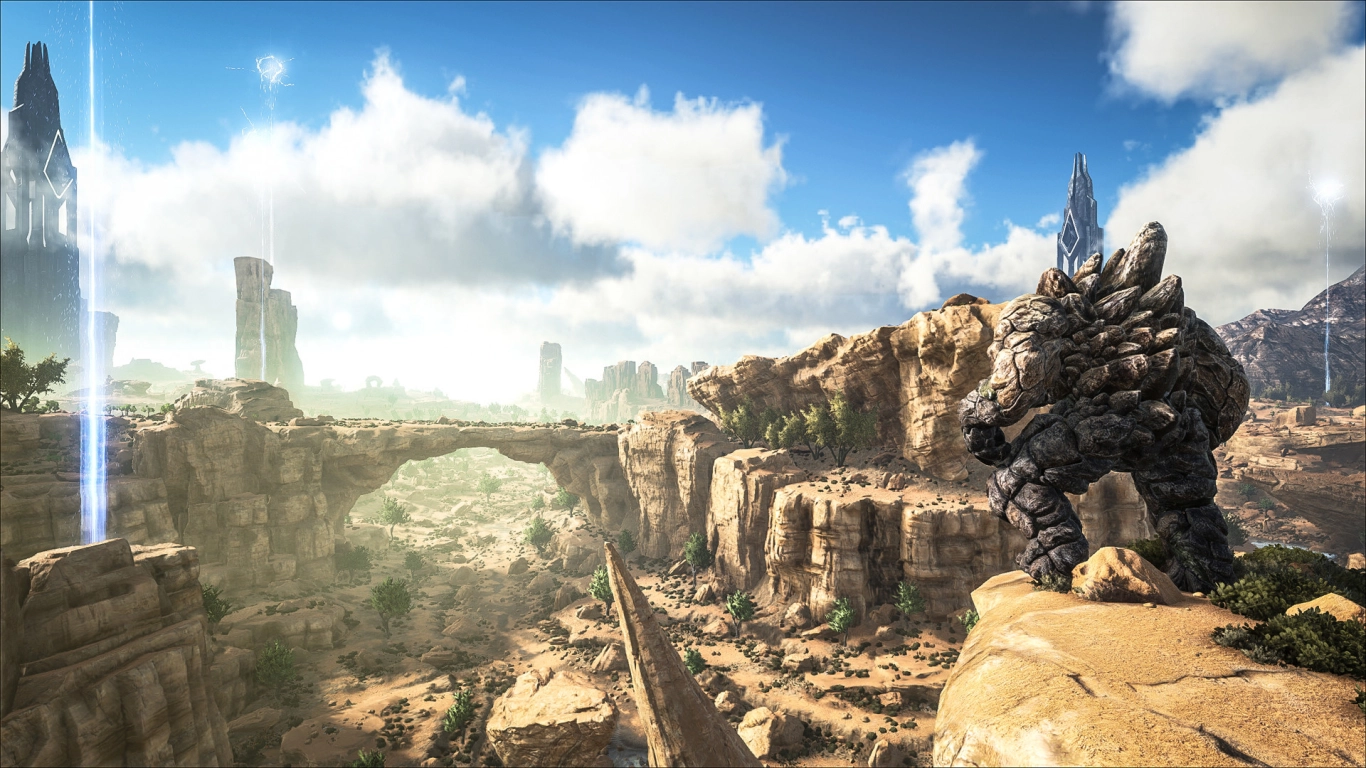
Scorched Earth drops players into a vast, unforgiving desert. No ocean, no rainforests, no protective valleys – instead dunes, salt flats, canyon ravines, and ancient ruins left by a long-fallen civilisation.
The map is roughly half the size of The Island, but feels denser and more dangerous. Every step matters. Water sources are scarce, and staying unprotected in the sun for too long risks death by heat. Sandstorms, thunderstorms, and extreme temperatures define daily life.
Survival here depends less on weapons or dinos and more on planning and adaptation. A well-built oasis, a cache of water, and shade are more valuable than any armour. The landscape itself is the enemy – and that’s exactly what makes this world so compelling.
Scorched Earth isn’t just a new location, but a masterclass in survival craft. It forces players to reassess resources from the ground up.
Weather and environmental hazards in Scorched Earth: sandstorm, heat, cold
The greatest enemies in Scorched Earth aren’t the creatures – they are the elements. The blazing sun drives dehydration, while the cold at night weakens you.
Dynamic weather events heavily influence gameplay. The sandstorm darkens the sky, cuts visibility to a few metres, and prevents flying. Lightning can destroy electrical equipment, and heatwaves cause exhaustion.
These mechanics make the world believable and dangerous in equal measure. Watch the sky to spot incoming weather shifts early and prepare. In such moments, Scorched Earth feels like a true survival game – ruthless, yet fair.
Resources and crafting: clay, water management, and climate control
The desert brought not only new dangers but also new materials and tools. Sand, salt, cactus sap, and sulphur became essential for survival. Most important of all are water reserves: with water skins, reservoirs, and wells, players learned to manage their thirst.
Newly introduced was the clay system. By combining sand and cactus sap, you can build sturdy, heat-resistant structures. This created a new architectural style: flat roofs, thick walls, and narrow windows – perfect for protecting against sun and storms.
Electricity and climate control also took on new importance. Air conditioners, wind turbines, and generators help regulate base temperatures. These technological steps fit the setting seamlessly without watering down the survival challenge.
Scorched Earth rewards smart planning and sustainable use of resources. It’s a map where thinking beats brute force.
Practical resource tips:
- Clay: Foundation for heat-resistant structures
- Cactus sap: Ingredient for clay and useful for hydration
- Salt: For preservation and specific recipes
- Sulphur & oil: For fuel and advanced crafting
Creatures in Scorched Earth: Wyvern, Rock Elemental, Mantis & more
One of Scorched Earth’s biggest highlights is its fauna. The DLC added a host of new creatures, perfectly adapted to the harsh climate – many of which remain fan favourites.
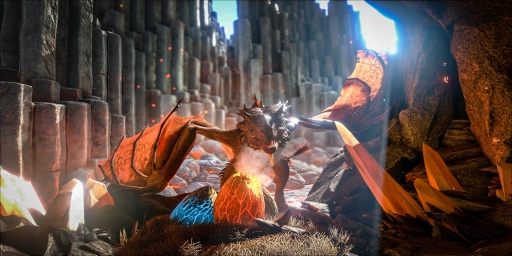
Chief among them is the Wyvern, arguably ARK’s most iconic dragon. Available in several variants – Fire, Lightning, Poison, and later Ice – it’s tamed by stealing an egg and hatching it. Snatching Wyvern eggs from perilous nests is one of the most thrilling moments in the entire game.
The Rock Elemental is another legend. These towering stone beings disguise themselves as boulders and spring to life when approached. They are nearly indestructible and serve as mobile fortresses.
Also new were the Mantis, which can wield tools, and the Jerboa, a small desert dweller that predicts the weather – unassuming, yet invaluable.
Other additions include the Morellatops (stores water), the Deathworm (a colossal subterranean worm), and the Phoenix, a mythical firebird that appears only during heatwaves.
This variety makes the desert feel alive. Every creature serves a purpose; none are mere decoration. They embody adaptation and survival.
Taming and raising Wyverns: eggs, milk, and breeding tips
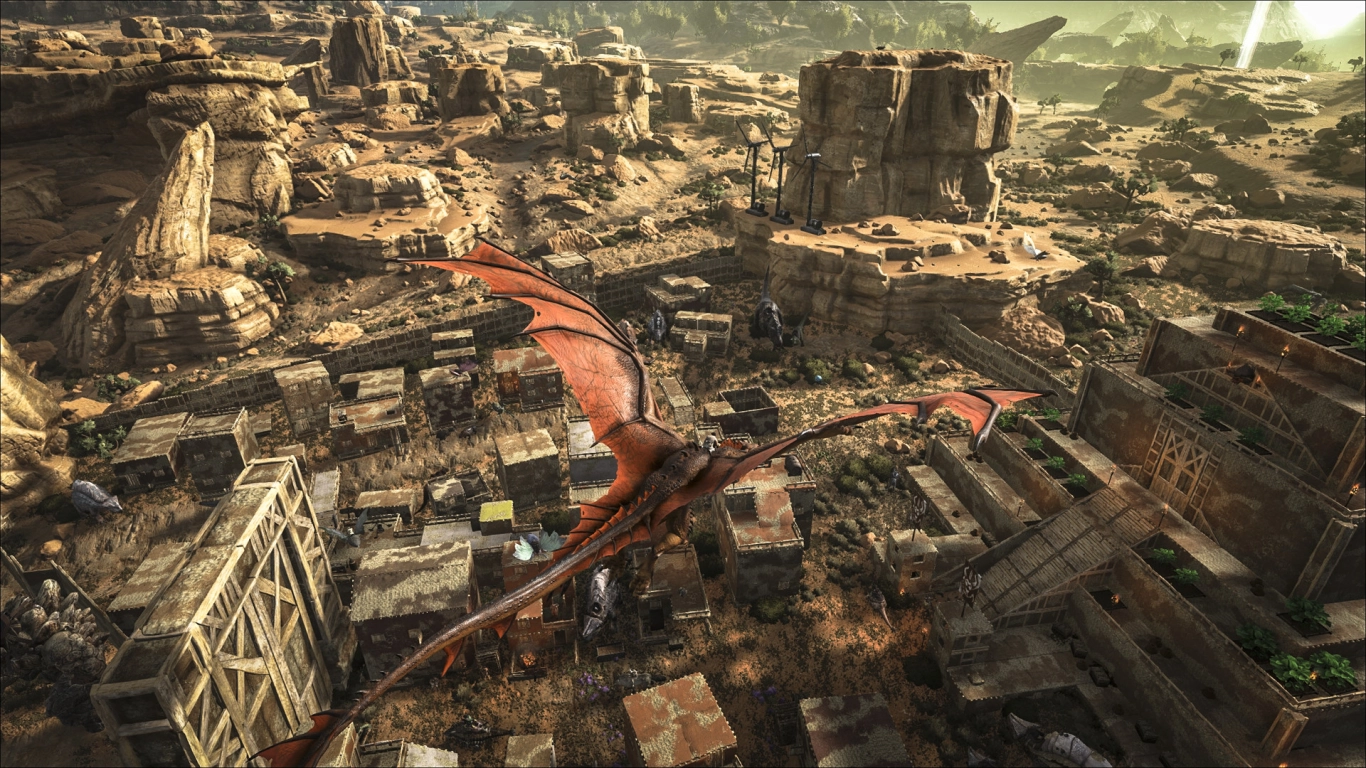
Few creatures represent Scorched Earth like the Wyvern. It is both a challenge and a reward. Hunting a Wyvern egg demands preparation, nerve, and skill. Those who manage to steal an egg and raise the hatchling gain a mount that combines power and mobility.
Raising a Wyvern is no simple task. The egg must be incubated at extreme heat and the juvenile fed with Wyvern milk, obtainable only from female Wyverns. This system added a new, complex layer to creature care.
The Wyvern also reshaped the PvP balance. With its flight speed, damage output, and elemental breath, it quickly became a status symbol – and a decisive factor in tribe wars.
To this day, the Wyvern remains one of ARK’s most distinctive and successful designs.
Survival tips: base building, teamwork, and tactics in the desert
Scorched Earth is ruthless, but fair. It forces players to develop strategies rather than simply react. To thrive in the desert, you must read your environment. Shaded areas, wind direction, and temperature swings all become tactical factors.
Base building gains new depth. Placement and design affect temperature. Structures that are too open lead to overheating, those too enclosed to stale air issues. Build wisely to create a functioning microclimate that balances comfort and supply.
Survival also hinges on teamwork. Water gathering, hunting, and base defence are hard to manage solo. Scorched Earth emphasises co-operation and resource management – qualities that paved the way for later DLCs like Aberration and Extinction.
Quick survival tips:
- Thermal management: Use clay structures, shade, and air conditioners.
- Mobility: Tame a Morellatops early; water transport becomes easier.
- Weather check: Keep Jerboas – they warn of storms and heatwaves.
- Storm plan: Don’t fly during sandstorms; secure resources, save power.
- Wyvern run: Cold protection against Lightning/Poison Wyverns, plan escape routes.
Artefacts, caves, and the Manticore boss: preparation and rewards
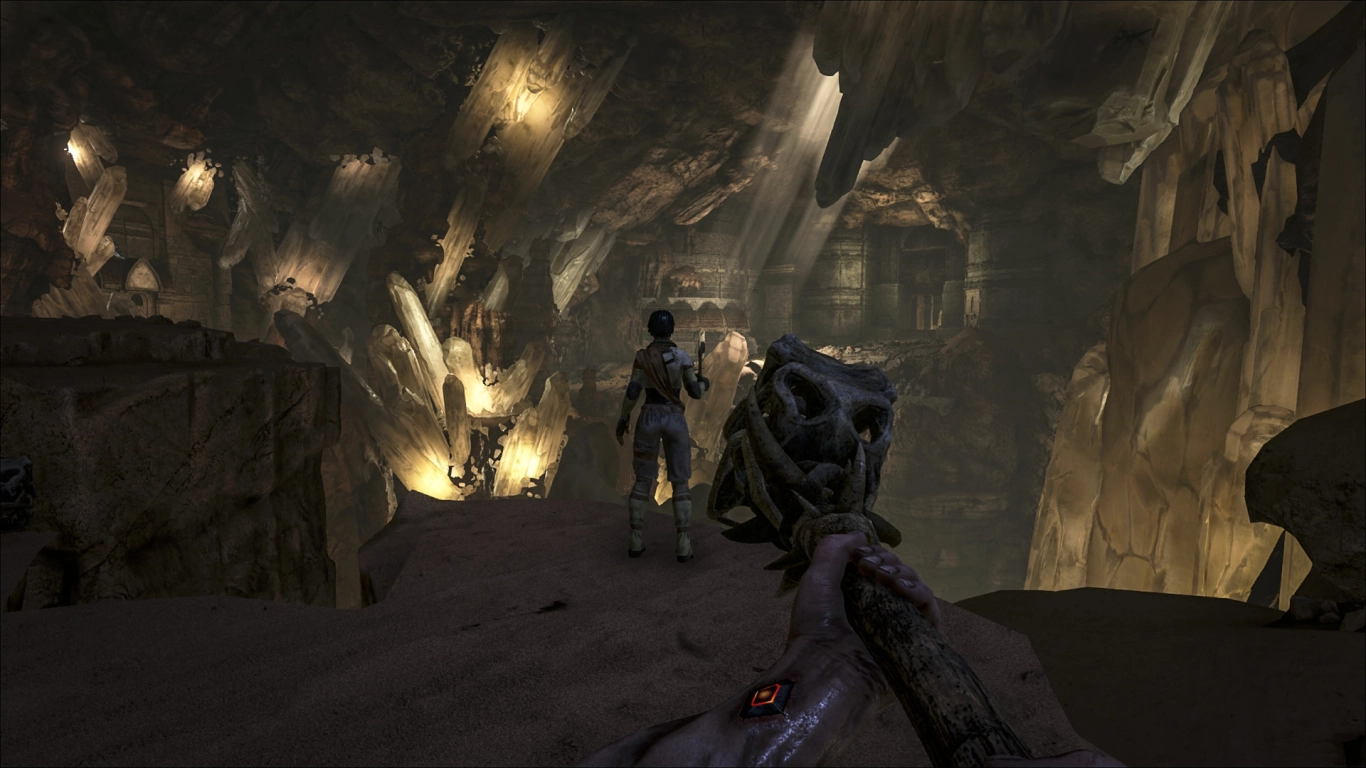
Though the map looks barren, there’s plenty to discover. Abandoned ruins, underground temples, and hidden caves invite exploration. Inside are artefacts needed to access boss fights.
The DLC’s boss is the Manticore – a winged beast with a lion’s body, scorpion tail, and deadly sting. The battle takes place in a massive arena where players must withstand aerial assaults and poison attacks. The Manticore is fast, agile, and lethal – a perfect embodiment of this world’s elegant danger.
Preparation for the boss fight:
- Strong flyers (e.g., Wyverns) and solid melee fighters
- Antidotes/healing and ample ammunition
- Saddle and armour blueprints (BPs) for better survivability
Defeating it marks Scorched Earth’s pinnacle and rewards players with unique trophies and blueprints.
Atmosphere, visuals, and sound: the world-building of Scorched Earth
Scorched Earth impresses with visual consistency. Everything feels cohesive – from the sky’s hue and dust-caked rocks to the shimmering heat haze.
The music leans on percussion, strings, and soft choral textures to evoke isolation. At the same time, the desert never feels empty, but full of life and stories. You feel you’re entering an ancient world still fighting to survive.
Technically, the DLC set benchmarks. Its lighting and weather transitions were impressive for 2016. The swing from blistering daytime heat to night-time chill conveys the force of nature’s extremes.
Why Scorched Earth matters: a milestone DLC for ARK
Scorched Earth was a milestone. It was the first paid add-on for an Early Access title – a risky move that sparked debate, but ultimately laid the foundation for ARK’s success.
Many mechanics that later felt standard originated here: extreme weather, specialised creatures, resource dependency, and the idea that the world itself is the greatest foe.
To this day, Scorched Earth is a trial by fire for seasoned players. If you can survive here, you can survive anywhere.
Conclusion: Scorched Earth is the ultimate desert test
Scorched Earth isn’t a place for beginners – it’s a test. It demands discipline, planning, and courage. But those who face the desert experience ARK at its purest: a struggle against nature, the elements, and your own limits.
With its unique setting, legendary creatures, and uncompromising atmosphere, Scorched Earth ranks among the game’s most striking expansions. It’s less a map than an experience – a place where every decision counts.
On a dedicated ARK server from 4Netplayers, Scorched Earth unfolds its full intensity. Build bases in the shadow of ancient ruins, raid Wyvern nests, and stand with friends against sandstorms and Deathworms – in a world where water is life and every sunrise marks victory over the night.
More interesting articles
ARK: The Center – Map guide to biomes, bosses and tips
ARK Aberration Guide: Map, Creatures & Tips
ARK: Extinction – Guide to Titans, Creatures, Map & Lore
ARK Ragnarok guide: map, biomes, bosses & creatures
ARK Valguero: Map, Deinonychus, Aberration Valley & Base Building