Minecraft is a game with its own goals and challenges, but creative minds especially love using it as a tool to bring bold ideas to life. With a wide range of blocks, an almost endless world, and tons of possibilities, Minecraft often becomes a platform to create much more. While fantasy builders frequently use it to craft vibrant, colorful worlds, the sheer variety of blocks now available lets you explore other genres or simply draw inspiration. Today, we’ll look at core principles that make a Minecraft world feel authentic and fascinating—with a story to tell.
Leverage Minecraft Biomes: Resources and Story Ideas
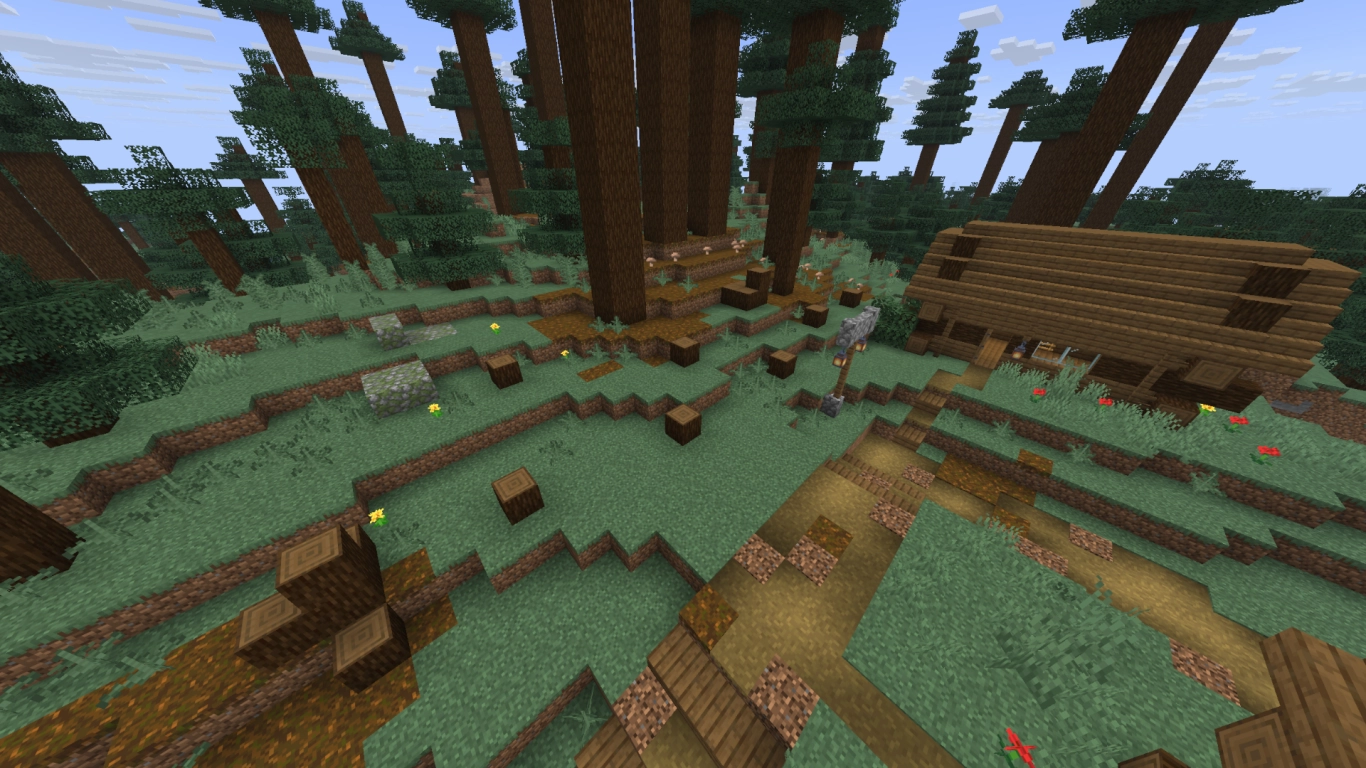
Minecraft’s randomly generated seed is a great starting point for shaping a unique world. It can inspire what you want to build next. Just like in real life, look to your surroundings and consider why a village or structure would be built here.
A forest could host a logging camp; a large cave entrance might suggest a quarry with a connected mine. The blocks native to a biome can also guide your choices. A desert house probably won’t be built from spruce, which doesn’t grow there. Sandstone, on the other hand, is everywhere—making it the perfect block. Biomes and their resources are an excellent foundation for defining the small details that make your world feel real.
Lore and History: Weaving in Past Events
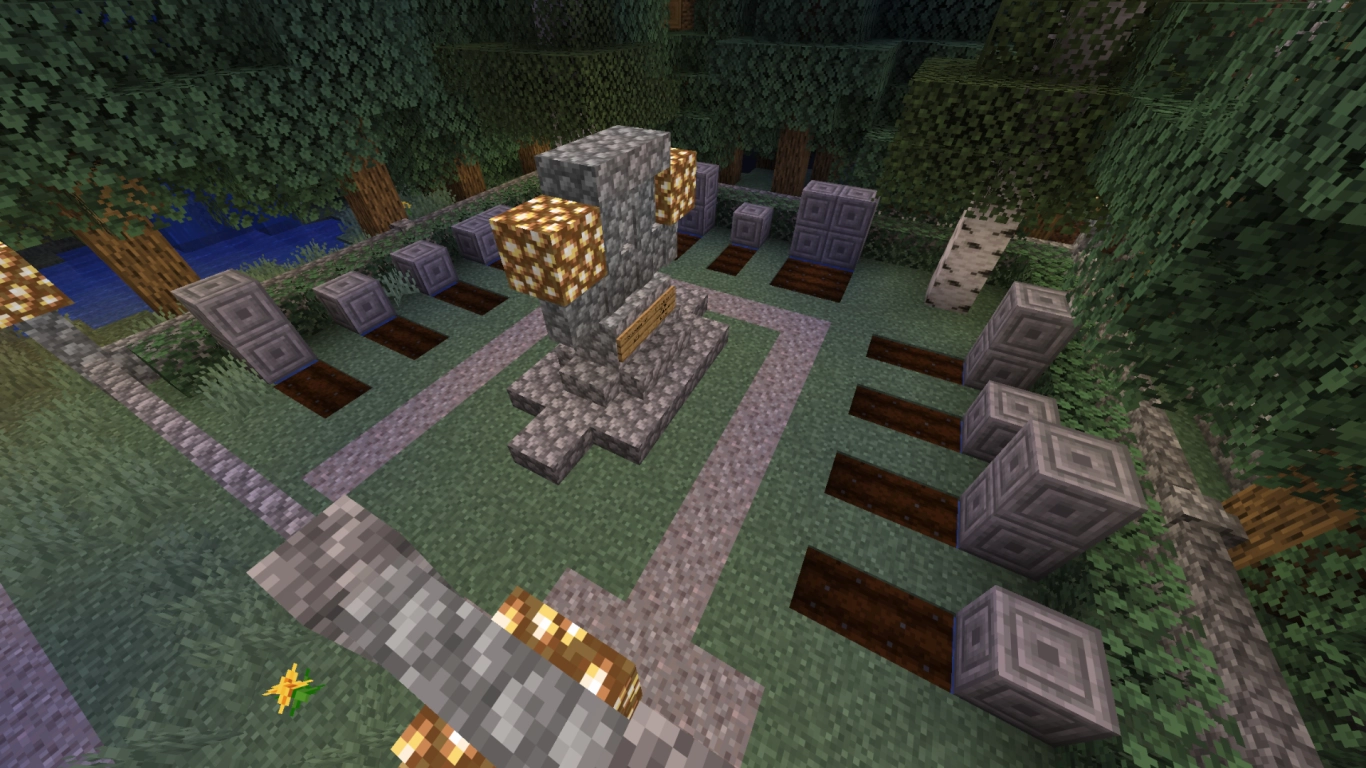
Minecraft’s world is static by default—nothing happens without your input. That’s why it helps to lean on history. Our real world is full of remnants of the past that quietly teach us about history.
In Minecraft, that can take many forms. A graveyard on the edge of town, where you design unique headstones—each telling a story, from celebrated heroes to forgotten farmers. Battlefields are another great way to communicate history without words. You can also build monuments or statues that commemorate past events, ideally with a sign explaining why they stand in that exact spot.
Conflict, Trade, and Roads: Visual Worldbuilding
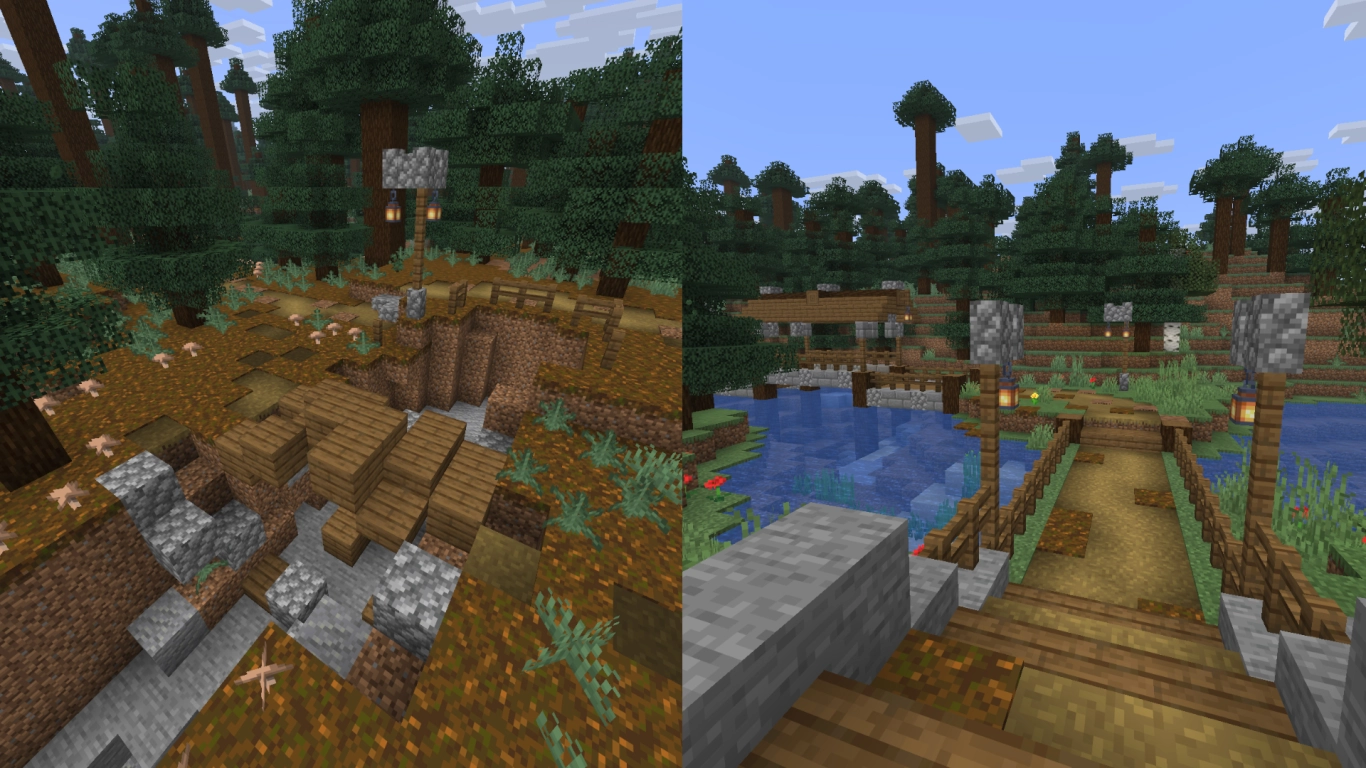
Even though Minecraft worlds are static, you can still hint at current events—especially if you include multiple factions with different relationships. Maybe two villages trade frequently, while one of them is at odds with a distant city.
Roads, streets, and paths are your best friends for visualizing these relationships. Yesterday and today, they’re essential to civilization, especially for trade and transport. Well-maintained roads imply a healthy relationship and frequent travel. Overgrown, fading paths suggest neglected routes. Walls, fortifications, or suddenly interrupted roads also tell stories—of conflict or natural disasters. If you want to dive deeper into path design, we already have a full article on that topic (Building Minecraft Paths: A Realistic Trails and Roads Tutorial) .
Name Places and NPCs: Meaningful Names
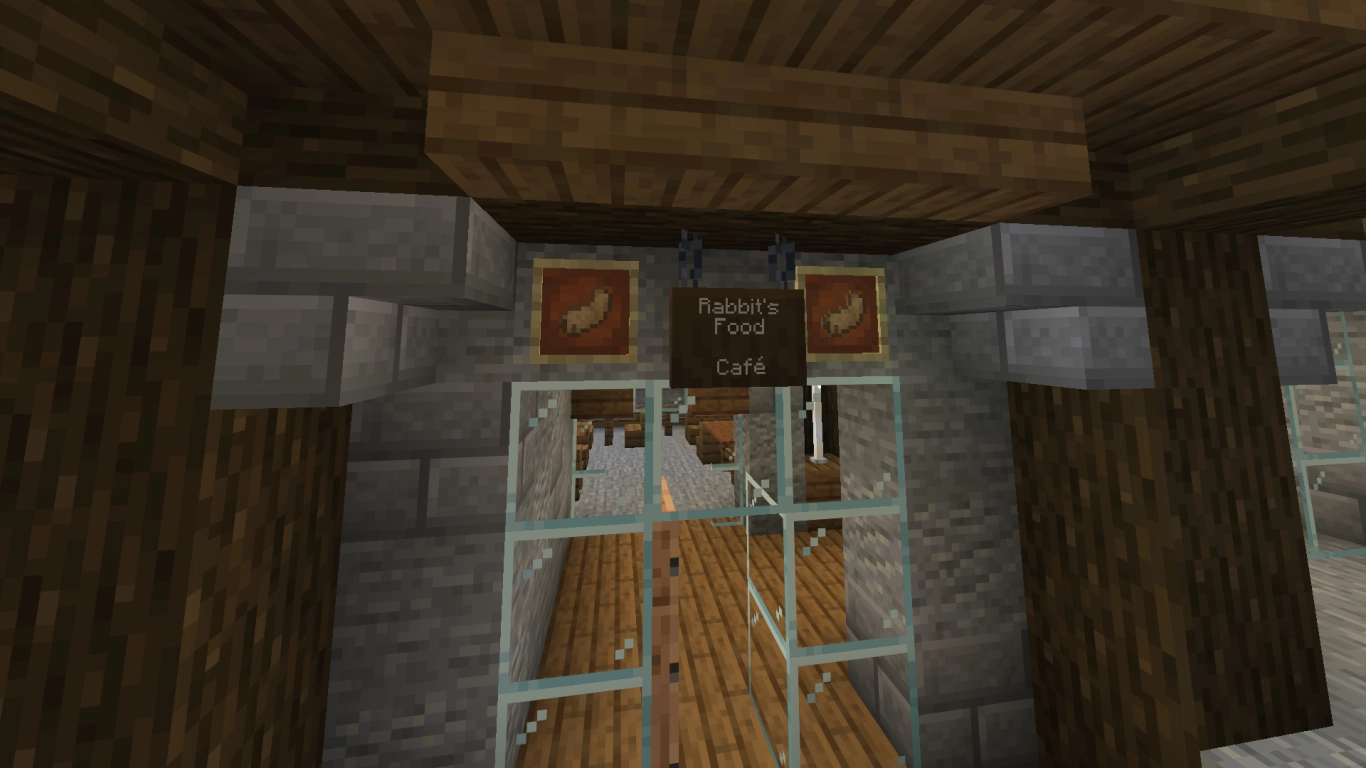
A powerful tool in your arsenal is giving things names. Names can carry a ton of history and add the final polish to your world. Ever wondered why a road is called what it is? Or where a place name comes from? Often there’s a story behind it—something you can absolutely use in Minecraft.
Name just about anything: houses, establishments, paths, streets, animals, or the villagers who populate your world. You can label them with name tags, which you can now craft yourself. Temporary names work too, helping you form a connection. You can always adjust them later—but often the original sticks and ends up telling its own story.
Building in Survival: Scale Projects Sensibly
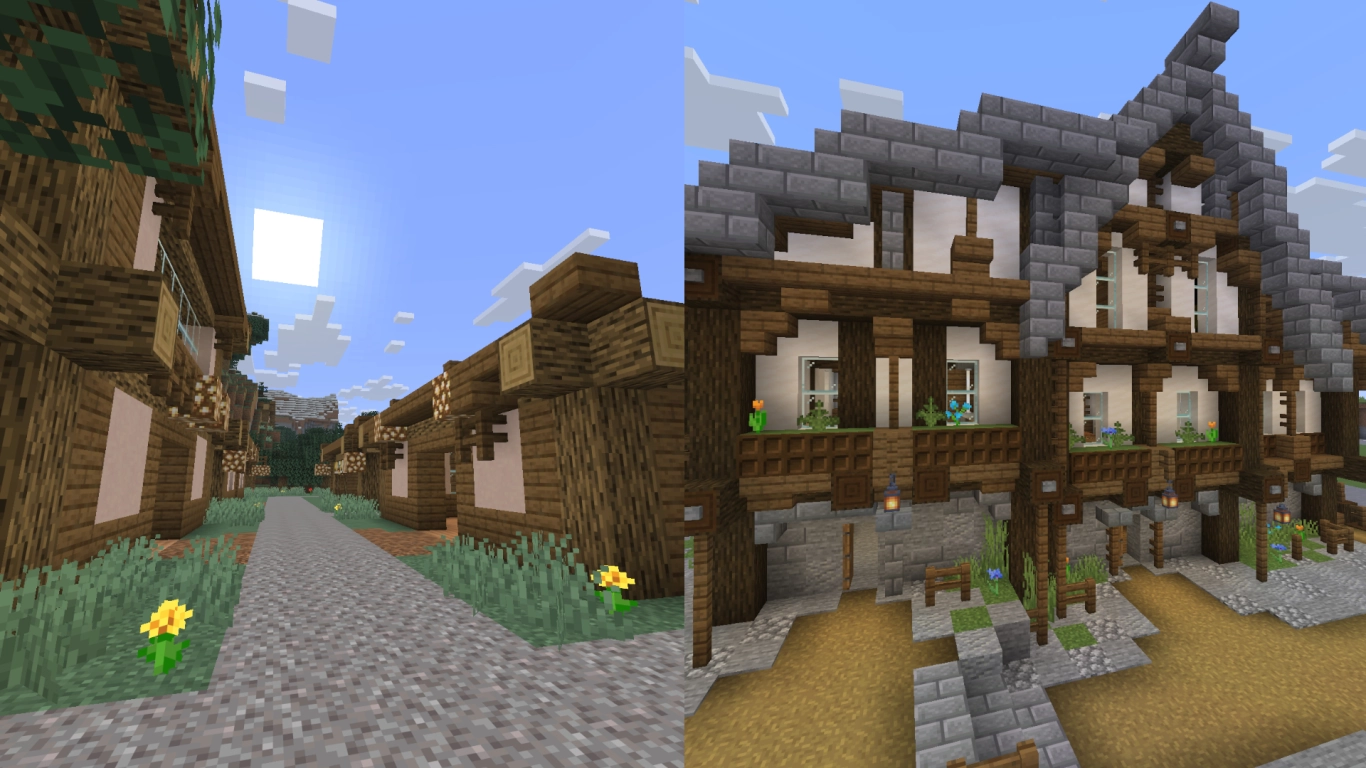
Even though online showcases might make it seem like you need to build massive, ornate projects right away, it’s smarter to start small—especially in Survival, where early-game resources are limited. Focus on nearby materials, as mentioned earlier. Build small houses or sections of your world to lay the groundwork.
You’ll notice that each build improves your skills while expanding your block palette. Even in Creative, you don’t need to use every block in the game from the start. Ease into it and stick to materials that fit the biome and make logical sense.
Iterative Building: Add Details Later
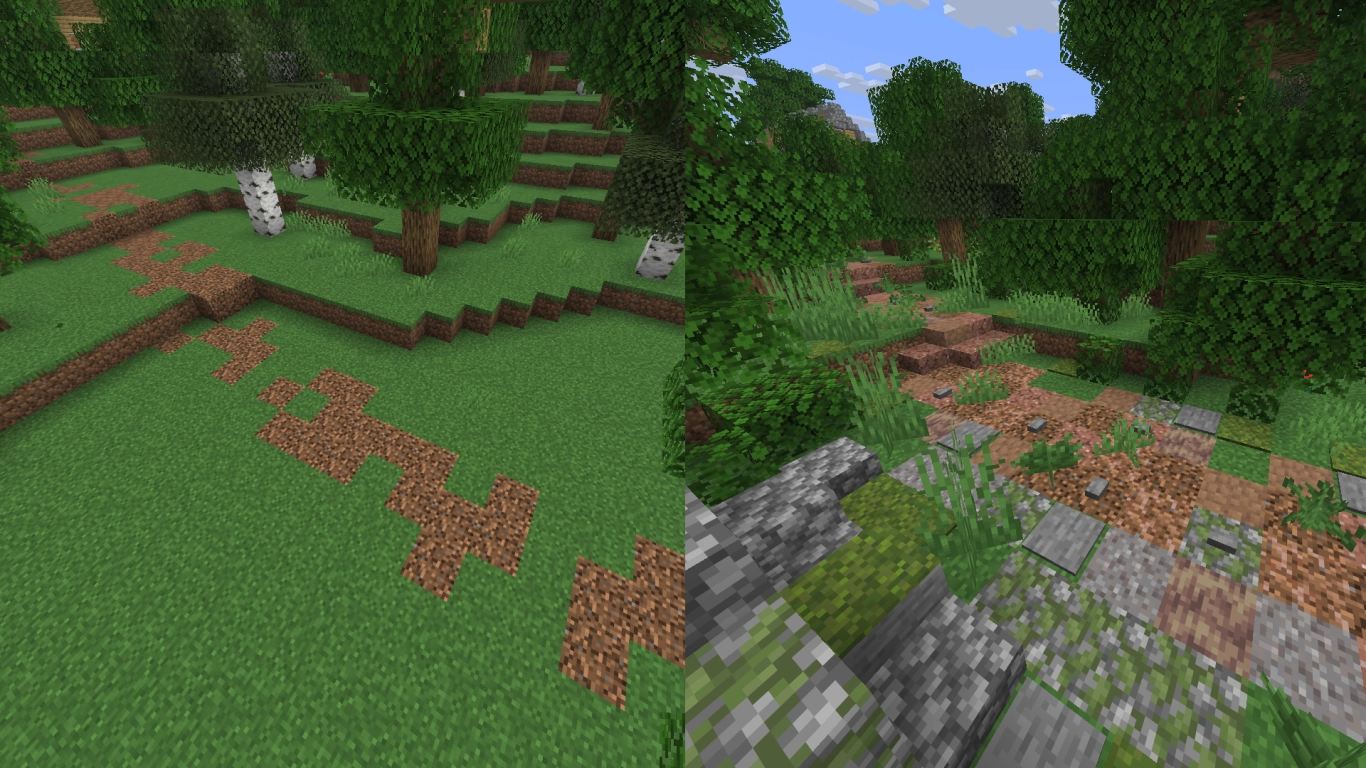
Following on from the last point, it’s a great idea to revisit older builds and refine them. Not everything will be perfect the first time, and your skills naturally improve as you build and decorate more. Good ideas for lore and history might come later—then you can weave them in seamlessly.
New updates can also work in your favor, adding blocks or mechanics that breathe new life into old structures. In Minecraft, nothing is ever truly finished—you can redesign anything whenever inspiration strikes. And if you leave older builds as-is, they can tell their own story too.
Conclusion: Worldbuilding for Authentic Minecraft Worlds
Minecraft is more than just a game—its wide-open sandbox lets worldbuilders bring ideas to life. Whether you play Survival or Creative, you can always start adding lore and character to your world. Think logically, especially about resources. Use history, past events, and meaningful names. And don’t hesitate to come back later to add new details.
If you and your friends want to create a lively fantasy world together, then one of our Minecraft servers is perfect for you: https://www.4netplayers.com/en-us/gameserver-hosting/minecraft/. Rent one with ease and put these tips to work to make your world feel even more authentic.
More interesting articles
Advanced Minecraft Building: Create Your Dream World
Minecraft Worldbuilding: Tips for an Authentic, Lore-Rich World
How to build Minecraft roofs: tips & tricks for stunning roof designs